
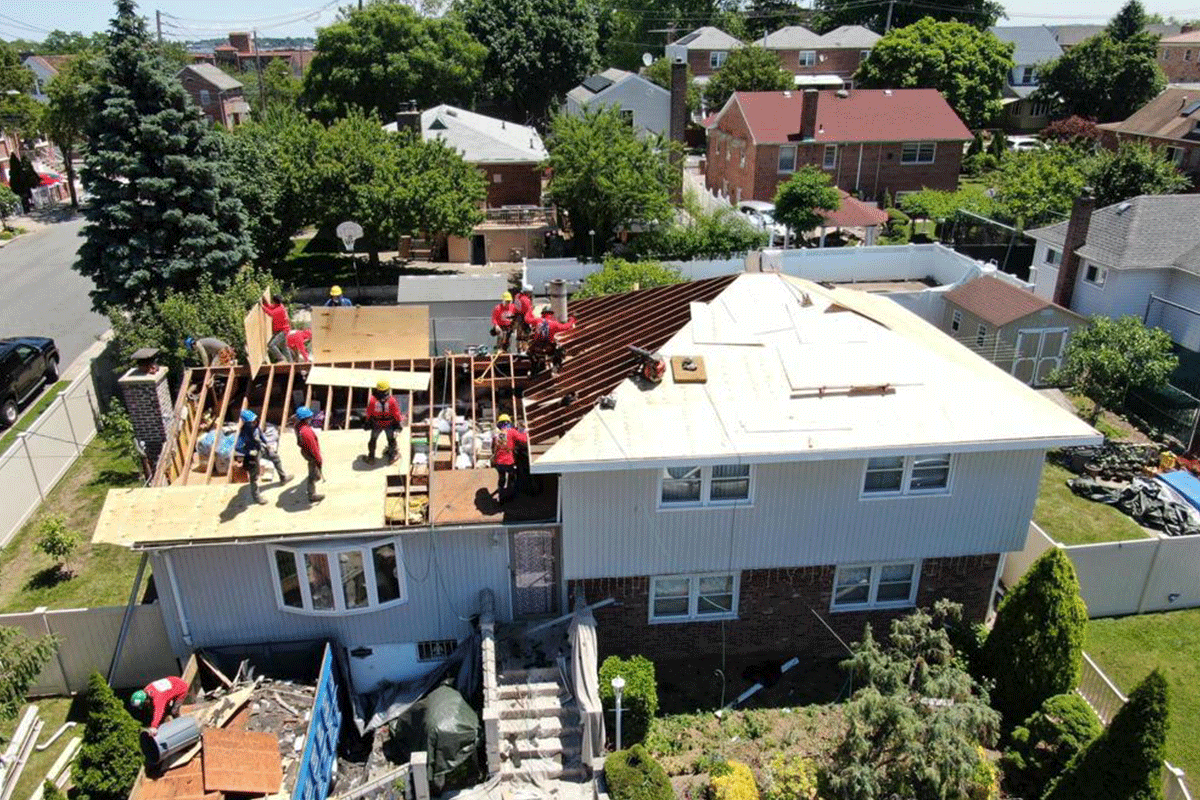
Your roof serves as your home s first line of defence against the elements, but it also bears the brunt of nature s forces. Weather conditions can take a serious toll on roofing materials, leading to wear and tear that often requires repair or even replacement. Understanding how different types of brave out regard your roof is crucial for homeowners who want to prevent dearly-won repairs and sustain the life-time of their roof. roof replacement.
Let s explore how various weather conditions bear on the wellness of your roof and what stairs you can take to address brave out-related damage.
Rain and Storms
Rain is a park cause of roof , especially when it s accompanied by high winds or storms. Over time, unrelenting rain can countermine roofing materials and lead to leaks.
-
Water Intrusion: Water is one of the most substantial threats to roofing systems. Prolonged exposure to wet, particularly through discredited shingles or flashing, can cause leaks that damage the inside of your home, including walls, ceilings, and insulating material. If left unaddressed, irrigate trespass can also result in mold growth and biological science issues.
-
Wind Damage: Strong winds can lift shingles or tiles off the roof, going subjacent layers uncovered to rain. Once these materials are compromised, irrigate can seep underneath, causation more damage to your roof. In areas unerect to storms or hurricanes, this can be a sponsor pertain.
-
Gutter Clogs: Rainstorms often lead to gutter blockages when leaves and junk wash down from the roof. Clogged gutters can cause irrigate to pool on the roof or overrun, causative to water damage in the garret or initiation.
What You Can Do:
-
Inspect your roof after heavily rain or storms to for lost or damaged shingles.
-
Ensure gutters and downspouts are of debris to prevent irrigate reliever.
Snow and Ice
Snow and ice are major contributors to overwinter roof damage, particularly in colder climates. The slant of snow and the freeze and warming cycles can be particularly damaging to roofs.
-
Ice Dams: Ice dams go on when snow on the roof melts and then refreezes at the edge of the roof, forming a barrier of ice. This prevents water from debilitating properly, causing it to back up under the shingles and seep into the put up. Ice dams can lead in leaks and considerable inside damage.
-
Heavy Snow Accumulation: The slant of snow on a roof can be overpowering, especially if it gobs up over time. This surplusage weight can cause roof drooping or even in extremum cases, particularly in roofs that aren t premeditated to support heavy snow.
-
Freezing Temperatures: In freeze temperatures, roofing materials become brittle and can or fall apart more well when subjected to the stress of snow, ice, or wind.
What You Can Do:
-
Remove snow from the roof using a roof rake, but be troubled not to damage herpes zoster.
-
Install roof warming cables to keep ice dams by holding the roof come up warm.
-
Ensure that your garret is decently insulated and louvered to prevent heat from escaping and thaw snow untimely.
Heat and Sun Exposure
While snow and rain are overt culprits, heat and direct sun exposure can also play a significant role in roof degradation.
-
UV Damage: Prolonged to the sun s UV rays can cause roofing materials, such as mineral pitch shingles, to put down over time. This leads to brittleness, cracking, and attenuation, qualification the roof more weak to damage from resultant brave out events.
-
Thermal Shock: Extreme temperature fluctuations can lead to caloric traumatize, where the roof materials spread out and undertake rapidly. This repeated expansion and contraction can cause cracks and undermine the roof, especially if there are pre-existing issues.
-
Heat-related Wear: In areas with hot summers, the intense heat can cause the roof s surface to degenerate quicker. For example, mineral pitch shingles can relent in the heat, causation them to lose their protective granules, which are essential for resisting UV damage.
What You Can Do:
-
Opt for heat-resistant roofing materials if you live in an area with extreme point temperatures.
-
Regularly inspect your roof for signs of wear, such as curling shingles or cracked tiles, which are common signs of UV .
-
Consider applying a roof finish that reflects UV rays to extend the lifetime of your roof.
Hailstorms
Hailstorms can be one of the most destructive brave out events for roofs. Depending on the size and speed of the hailstones, the damage can range from shaver issues to major morphologic damage.
-
Shingle Damage: Hailstones can , dent, or shift zoster, leaving the roof weak to water . This type of damage is often not panoptical until after a rainstorm, when leaks start to appear.
-
Granule Loss: Hailstones can cause asphalt shingles to lose their tender granules, making them more impressible to UV damage and shortening their life.
What You Can Do:
-
After a hailstorm, inspect your roof for signs of damage, such as missing granules or cracked herpes zoster.
-
If you experience patronise hailstorms, consider installment affect-resistant roofing materials to understate potency .
Conclusion: Preparing Your Roof for the Elements
Weather is an ineluctable factor out in the wear and tear of your roof. Understanding how various conditions whether it’s rain, snow, heat, or hail involve the integrity of your roof can help you make hep decisions about upkee and repairs.
To check your roof is equipped for dynamical brave out, fixture inspections are key. Catching moderate issues early can prevent more dearly-won damage later on. If you live in an area unerect to extremum endure conditions, consider investment in long-wearing, brave out-resistant materials that can hold out the elements.
Ultimately, maintaining a strong, well-repaired roof is an investment in the refuge and solace of your home, no matter to the temper.