
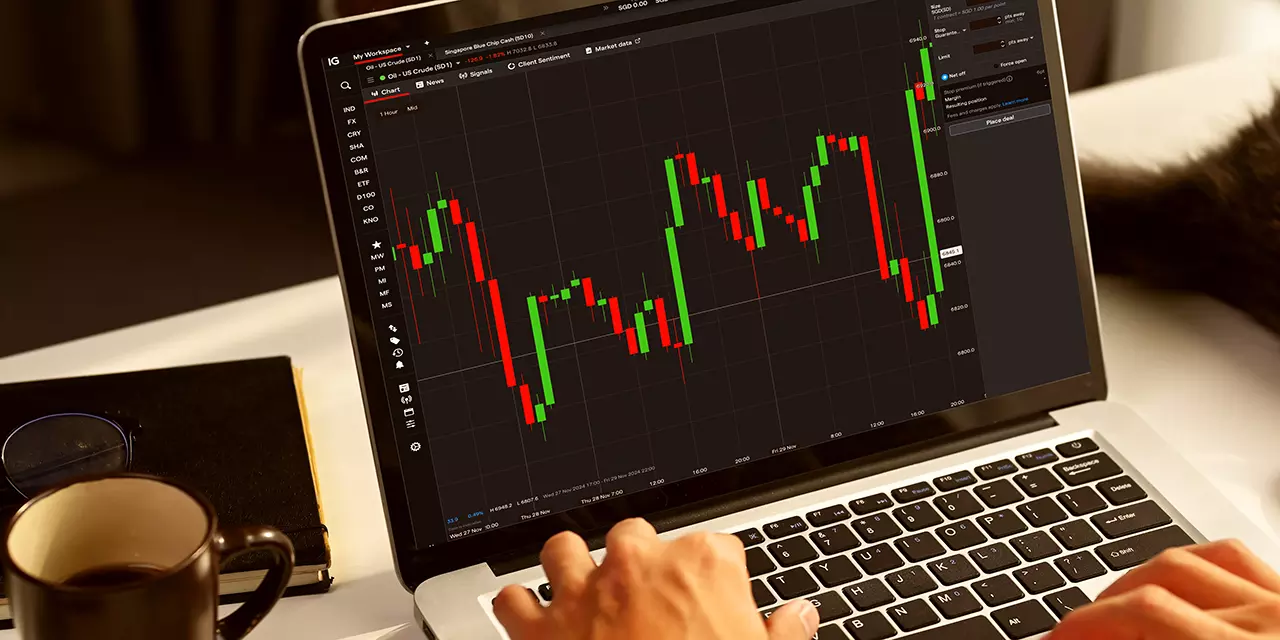
For traders, understanding market timing is as crucial as understanding trading strategies. Futures trading hours determine when markets are open and active, impacting liquidity, volatility, and trading opportunities. For beginners and even experienced traders, using the Best Paper Trading Platform allows them to simulate real-market conditions, practice strategies, and gain confidence without risking actual capital. Combining awareness of trading hours with a high-quality paper trading platform provides an ideal learning environment.
Understanding Futures Trading Hours
Futures trading hours vary by market and instrument. Unlike stock markets, futures markets often operate nearly 24 hours a day, divided into regular trading sessions and overnight electronic trading sessions.
For example:
- Equity index futures, like the S&P 500 E-mini, have nearly continuous trading but have scheduled maintenance breaks.
- Commodity futures, such as gold or crude oil, also operate nearly 24/7 but may have daily settlement periods.
Awareness of these hours is critical because liquidity, spreads, and volatility fluctuate throughout the day. Traders who understand when markets are most active can optimize entry and exit points, manage risk, and execute strategies more effectively.
The Importance of Paper Trading
For beginners, diving into live futures trading can be intimidating. Mistakes in leveraged markets can be costly. This is where paper trading becomes essential.
Paper trading simulates real trading conditions using virtual capital. Traders can place orders, manage positions, and track performance without risking money. It allows them to:
- Understand how futures trading hours affect price movement and liquidity.
- Test strategies under different market conditions, including low- and high-volume periods.
- Build confidence in executing trades and managing risk before committing real funds.
By combining knowledge of trading hours with practice in a controlled environment, traders develop both technical skills and market intuition.
Features of the Best Paper Trading Platform
To maximize learning during futures trading hours, selecting the Best Paper Trading Platform is essential. Key features include:
1. Real-Time Market Data
Accurate, live market data ensures that trades mimic real-world conditions. During active futures trading hours, prices can move rapidly. Platforms offering real-time data allow traders to observe market behavior and respond as they would in live trading.
2. Advanced Charting Tools
Technical analysis is a core component of successful trading. A robust platform provides customizable charts, indicators, and drawing tools to help traders analyze trends, identify patterns, and time trades effectively during peak trading hours.
3. Risk Management Tools
Managing leverage and exposure is critical in futures trading. The best platforms provide stop-loss, take-profit, and margin monitoring tools. Practicing these tools during paper trading ensures that beginners develop disciplined trading habits.
4. Order Execution Simulation
Order types, such as market, limit, and stop orders, can behave differently depending on market conditions and trading hours. Platforms that simulate real order execution teach traders how to manage slippage, partial fills, and other market nuances.
5. Performance Tracking
Detailed reports on trades, including P&L, win rates, and risk-reward ratios, help traders evaluate strategies and adjust approaches during different futures trading hours.
Maximizing Learning During Different Trading Sessions
Understanding and practicing during specific futures trading hours enhances learning:
- High-Volume Sessions: These periods, often coinciding with major market openings, offer better liquidity and tighter spreads. Paper trading during these hours helps beginners learn to manage fast-moving markets.
- Low-Volume Sessions: Overnight or off-peak hours can see wider spreads and reduced liquidity. Practicing in these conditions teaches patience and adaptability.
- Event-Driven Volatility: Major economic reports or geopolitical events can create spikes in volatility. Simulating trades during such periods on a paper trading platform prepares traders for real market reactions.
By practicing across different sessions, traders build comprehensive skills to navigate diverse market conditions.
Integrating Strategy Development
Using the Best Paper Trading Platform during futures trading hours allows beginners to integrate strategy development with market timing. For instance:
- Testing breakout strategies during high-volume sessions.
- Practicing mean-reversion strategies during lower liquidity periods.
- Monitoring how different trading hours affect risk-reward outcomes.
This approach ensures that strategies are not only theoretically sound but also adaptable to real-market conditions.
Transitioning From Paper Trading to Live Trading
After consistent practice, traders can transition from paper trading to live futures trading. Lessons learned from monitoring futures trading hours and simulating trades on a top-tier platform provide the foundation for disciplined, confident execution. Key steps include:
- Start with small positions to manage real risk.
- Apply risk management techniques practiced during paper trading.
- Continue tracking performance to refine strategies in real conditions.
The experience gained through structured paper trading reduces emotional errors and increases the likelihood of consistent profitability.
Conclusion
Understanding futures trading hours is essential for any trader aiming to optimize market opportunities. Coupling this knowledge with practice on the Best Paper Trading Platform allows beginners to simulate real trading, develop strategies, and build confidence without risking capital. By practicing across different sessions and market conditions, traders gain experience, refine skills, and prepare to transition smoothly into live trading. For beginners, this combination of timing awareness and simulated practice is a powerful pathway to becoming a skilled and disciplined futures trader.