
Private terminal transport is a vital part of the luxury aviation ecosystem. It ensures that travelers using private plane flights enjoy smooth, discreet, and time-efficient movement from their doorstep to the aircraft and back again.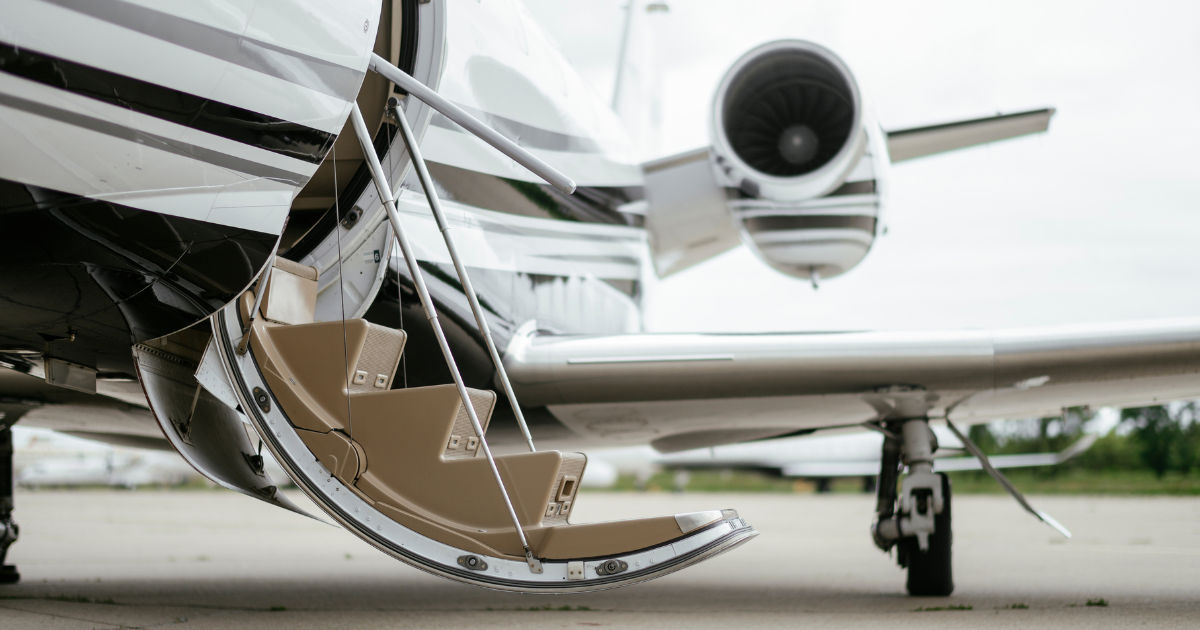
Unlike commercial travel, where passengers follow fixed systems, private terminal transport is designed around comfort, privacy, and personalization.
This guide explains how private terminal transport operates, step by step, in simple language suitable for a 12th-grade audience.
From ground coordination to final departure, private plane flights rely heavily on seamless transport systems that work quietly behind the scenes.
Understanding this process helps travelers appreciate the level of planning and care involved.
Understanding Private Terminal Transport
Private terminal transport refers to the specialized ground transportation and logistics services used by passengers flying via private terminals, also known as Fixed Base Operators (FBOs). These services are closely linked with private plane flights, offering door-to-door convenience and security.
Unlike commercial terminals, private terminals are smaller, less crowded, and designed for efficiency. Transport services here focus on speed, privacy, and flexibility. Vehicles often move directly to or from the aircraft without the need for large waiting areas.
What Is a Private Terminal?
A private terminal is a dedicated facility at an airport that serves private aviation. These terminals support private plane flights by offering customized services such as lounges, customs clearance, refueling, and ground transport coordination.
Private terminals are usually operated by FBOs. They handle everything from passenger check-in to baggage handling. Transport services are integrated into these operations to reduce delays and improve comfort.
Role of Ground Transportation in Private Aviation
Ground transportation is the bridge between a traveler’s location and the aircraft. For private plane flights, this bridge must be fast and reliable.
Ground transport includes luxury cars, SUVs, vans, or even armored vehicles. These vehicles are scheduled according to flight times, passenger preferences, and security needs. Coordination is precise, often planned days in advance.
Pre-Flight Planning and Coordination
Passenger Preferences and Scheduling
Before the day of travel, the transport team gathers passenger details. This includes pickup location, number of travelers, luggage size, and special requests. For private plane flights, personalization is key.
Passengers may request specific vehicles, child seats, refreshments, or multilingual drivers. These details are logged into the transport plan to ensure accuracy.
Flight Timing and Traffic Analysis
Transport providers analyze flight schedules and local traffic patterns. Since private plane flights often operate on flexible timelines, transport teams stay alert for changes.
Real-time traffic monitoring helps drivers choose the fastest routes. This planning minimizes delays and ensures passengers arrive relaxed.
Pickup and Transfer Process
Door-to-Door Service
One of the biggest advantages of private plane flights is door-to-door service. The vehicle arrives at the passenger’s home, hotel, or office.
Drivers assist with luggage and ensure a comfortable ride. Privacy is maintained at all times, with discreet service and minimal interaction unless requested.
Secure and Comfortable Vehicles
Vehicles used for private terminal transport are selected for comfort and safety. Leather seating, climate control, and noise reduction are common features.
For high-profile travelers using private plane flights, security-enhanced vehicles may be used. These vehicles follow strict safety protocols.
Arrival at the Private Terminal
Direct Terminal Access
Unlike commercial airports, private terminals allow vehicles to approach very close to the aircraft. In some cases, passengers step out of the vehicle and walk directly onto the plane.
This direct access is a major benefit of private plane flights. It reduces walking time and eliminates crowded checkpoints.
Baggage Handling
At private terminals, staff handle baggage immediately upon arrival. Transport drivers coordinate with terminal staff to transfer luggage smoothly.
This system ensures that passengers using private plane flights never worry about lost or delayed bags.
Security and Privacy Measures
Discreet Screening Procedures
Security for private terminal transport is discreet yet effective. Background checks are often completed in advance, reducing the need for on-site screening.
Passengers on private plane flights experience minimal security delays while maintaining high safety standards.
Confidential Travel Arrangements
Privacy is a top priority. Travel details are shared only with essential personnel. Transport routes and schedules are kept confidential.
This approach is especially important for celebrities, executives, and families choosing private plane flights for peace of mind.
Coordination with Flight Crew and FBO Staff
Real-Time Communication
Transport drivers stay in constant contact with FBO staff and flight crews. Any change in flight status is communicated immediately.
This coordination ensures that private plane flights depart on time and passengers are never left waiting.
Adjusting for Delays or Early Arrivals
Private aviation is flexible. If a flight arrives early, transport services adjust quickly. If there is a delay, drivers remain available.
This adaptability is a defining feature of private plane flights and their transport systems.
Departure Process from the Private Terminal
Seamless Boarding Experience
Once passengers arrive, boarding begins almost immediately. There are no long queues or loud announcements.
Transport services ensure passengers reach the aircraft calmly, enhancing the overall private plane flights experience.
Final Checks and Takeoff
While passengers board, staff complete final checks. Fueling, catering, and paperwork are handled efficiently.
The transport service’s job is complete when the aircraft departs smoothly, marking another successful private plane flights operation.
Arrival Transport at Destination
Pre-Arranged Ground Transport
At the destination, ground transport is already waiting. This ensures continuity and comfort for passengers.
For private plane flights, arrival transport is just as important as departure transport.
Local Knowledge and Route Planning
Drivers at the destination understand local traffic and conditions. This local expertise helps passengers reach their next location quickly.
Technology Used in Private Terminal Transport
GPS and Fleet Management Systems
Modern transport services use GPS and fleet management tools. These systems track vehicles and optimize routes.
Technology plays a big role in keeping private plane flights punctual and stress-free.
Secure Communication Platforms
Encrypted communication ensures that travel details remain private. Drivers and coordinators share updates securely.
This technology supports the confidentiality expected with private plane flights.
Benefits of Private Terminal Transport
Time Efficiency
Private terminal transport saves significant time. There are no long waits, crowded terminals, or unnecessary delays.
This efficiency is a key reason travelers choose private plane flights.
Comfort and Luxury
From luxury vehicles to personalized service, comfort is guaranteed. Passengers can relax before and after their flight.
The comfort level of private plane flights extends seamlessly to ground transport.
Flexibility and Control
Travel plans can change, and private transport adapts quickly. This flexibility gives travelers full control over their schedule.
Environmental Considerations
Efficient Routing
Transport providers aim to reduce fuel consumption by choosing efficient routes. This approach supports sustainability efforts.
Even in private plane flights, environmental awareness is growing.
Modern Vehicle Fleets
Many providers use newer vehicles with lower emissions. Some even offer hybrid or electric options.
This shows that private plane flights and their transport systems can evolve responsibly.
Challenges in Private Terminal Transport
Weather and Traffic Conditions
Bad weather or heavy traffic can affect transport timing. However, planning and experience help reduce impact.
These challenges are managed carefully to protect the reliability of private plane flights.
Coordination Across Locations
International travel adds complexity. Different countries have different rules and infrastructure.
Experienced teams handle these challenges to maintain the quality of private plane flights.
Future Trends in Private Terminal Transport
Increased Automation
Automation will improve scheduling and communication. Smart systems will predict delays and adjust plans automatically.
This innovation will further enhance private plane flights.
Sustainable Transport Solutions
Electric vehicles and eco-friendly practices will become more common. Sustainability will play a bigger role.
The future of private plane flights includes greener ground transport.
Detailed Conclusion
Private terminal transport is an essential element of private aviation. It transforms travel into a smooth, comfortable, and secure experience from start to finish. For passengers using private plane flights, transport services remove the stress commonly associated with air travel.
From careful planning and personalized pickups to discreet security and direct aircraft access, every step is designed with the traveler in mind. Technology, skilled coordination, and attention to detail ensure that no moment is wasted. Even challenges like traffic or weather are managed with professionalism and flexibility.
As private aviation continues to grow, private terminal transport will evolve alongside it. Future improvements in automation and sustainability will make the experience even better. Ultimately, private terminal transport is not just about moving passengers. It is about delivering confidence, comfort, and trust. This is why private plane flights remain a preferred choice for travelers who value time, privacy, and quality above all else.