
When planning any corporate event, conference, or business meeting, one critical aspect often overlooked is transportation for meetings and events.
Ensuring attendees arrive on time, comfortably, and safely can significantly influence the success of your event. Whether you are hosting a small team meeting or a large-scale convention, effective transportation planning is essential for creating a professional impression and smooth experience.
In this guide, we will explore every detail of transportation planning for meetings and events. From choosing the right vehicle options to scheduling logistics, safety measures, and cost management, this comprehensive guide covers it all.
Why Transportation Matters for Meetings and Events
Transportation is more than just moving people from point A to point B. It impacts:
-
Punctuality: On-time arrivals help maintain schedules and keep meetings efficient.
-
Comfort: A comfortable ride improves attendees’ mood and energy levels.
-
Professionalism: Reliable transportation shows organization and attention to detail.
-
Safety: Well-planned transportation reduces risks and enhances overall attendee satisfaction.
For corporate events, first impressions matter. Arriving in a luxury shuttle or professionally driven vehicle sets a positive tone and reflects the company’s commitment to quality.
Types of Transportation for Meetings and Events
Choosing the right type of transportation depends on the size of your event, location, and budget. Here are common options:
Shuttle Buses
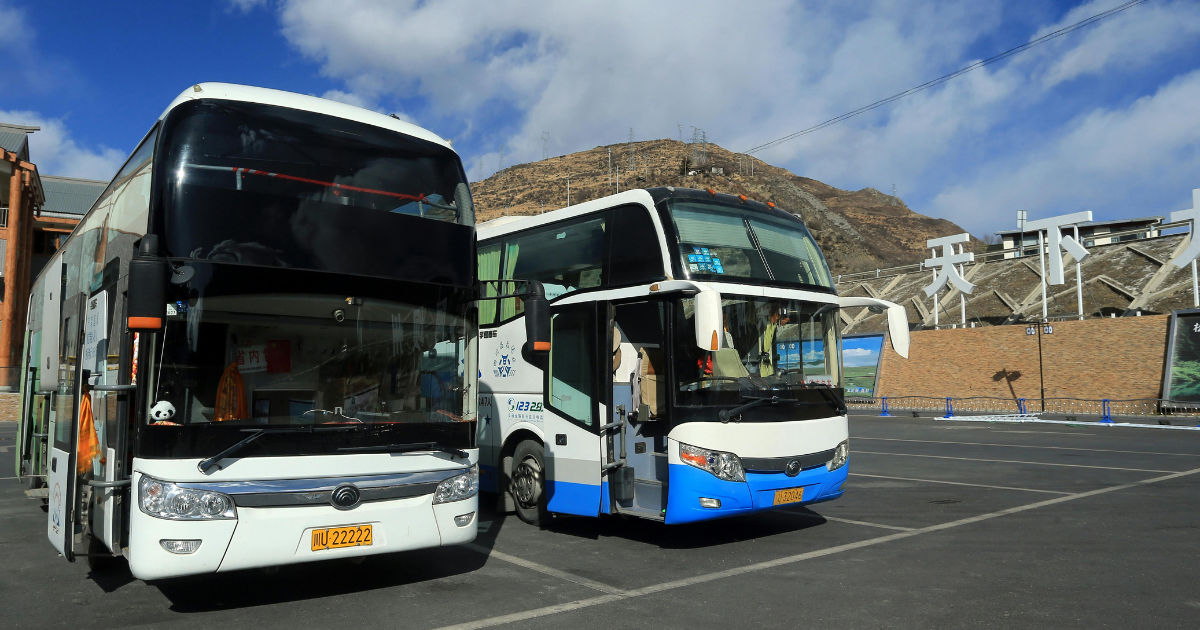
Shuttle buses are ideal for large groups. They are cost-effective, can transport multiple attendees at once, and are often used for airport transfers or hotel-to-event venue commutes.
Limousines and Luxury Cars
For VIPs, executives, or special guests, luxury cars or limousines provide comfort, privacy, and an elevated experience. These vehicles are perfect for board meetings, award ceremonies, or exclusive networking events.
Vans and Minibuses
Vans and minibuses are flexible solutions for medium-sized groups. They are efficient for transporting small teams or employees between different venues during the same day.
Ride-Sharing Services
Companies like Uber and Lyft are convenient for small, independent travel needs. However, relying solely on ride-sharing for large events can be unpredictable, so it’s best to combine them with professional transportation services.
Planning Transportation for Meetings and Events
Proper planning ensures your transportation runs smoothly. The process involves several key steps:
Assessing Event Needs
Start by determining:
-
The number of attendees
-
Arrival and departure locations
-
Timing requirements
-
Special needs (wheelchair accessibility, VIP preferences)
This helps in selecting the right vehicles and the number of trips required.
Scheduling and Timing
Set schedules considering traffic patterns, distance, and potential delays. Allow buffer times between trips to avoid stress and lateness.
Coordination with Venues
Ensure transportation aligns with event schedules. Confirm pick-up and drop-off points at hotels, airports, and the event venue.
Communication with Attendees
Provide clear instructions, including vehicle type, departure time, and contact numbers. Use emails, apps, or printed guides to ensure everyone is informed.
Safety and Comfort Considerations
Safety should always be a top priority when arranging transportation for meetings and events.
Driver Credentials
Hire licensed, experienced drivers who are familiar with local routes and event locations.
Vehicle Safety Standards
Ensure vehicles are well-maintained, inspected, and equipped with safety features like seatbelts and GPS tracking.
Passenger Comfort
Consider amenities like air conditioning, Wi-Fi, water, and comfortable seating. Long trips can be exhausting, so small details make a big difference.
Cost Management and Budgeting
Transportation can be a significant part of your event budget. Here’s how to manage costs effectively:
Compare Options
Get quotes from multiple providers. Compare buses, vans, cars, and ride-sharing services to find the best fit.
Bulk Booking Discounts
Many companies offer discounts for large or repeat bookings. Booking in advance can also secure better rates.
Cost vs. Experience
Balance cost with attendee experience. Sometimes spending a little more on premium transportation enhances satisfaction and professionalism.
Technology in Transportation Planning
Modern technology can streamline your transportation for meetings and events planning process.
GPS and Route Optimization
Apps can help drivers avoid traffic and find the fastest routes. This reduces delays and ensures punctuality.
Event Transportation Apps
Some event management software includes features for tracking attendee transportation, coordinating pickups, and sending real-time updates.
Mobile Communication
Using group messaging apps ensures attendees and drivers stay informed of schedule changes.
Special Considerations for Large Conferences
Large-scale events require detailed coordination:
-
Multiple Venues: Plan for transportation between hotels, conference halls, and restaurants.
-
Time Staggering: Schedule pickups in shifts to prevent congestion.
-
Signage and Guides: Use clear signs and volunteer guides to direct attendees to the right vehicles.
-
VIP Services: Reserve premium vehicles for speakers, sponsors, and executives.
Eco-Friendly Transportation Options
Sustainability is increasingly important in corporate events. Eco-friendly options include:
-
Electric or hybrid vehicles
-
Carpooling arrangements for attendees
-
Encouraging public transit for local guests
These options reduce environmental impact while still meeting your transportation needs.
Handling Unexpected Challenges
Even the best-laid plans can face challenges. Prepare for:
-
Traffic Delays: Have alternate routes ready.
-
Vehicle Breakdowns: Keep backup vehicles or service providers on standby.
-
Weather Issues: Plan for rain, snow, or other adverse conditions.
-
Last-Minute Changes: Flexible scheduling and mobile communication are key.
Tips for Smooth Transportation Management
-
Start planning early and finalize details well in advance.
-
Maintain a clear contact list of all drivers and vendors.
-
Keep communication open with attendees about pick-up locations and times.
-
Review contracts carefully to understand cancellation policies, costs, and liabilities.
-
Conduct a dry run for complex routes or VIP services.
Benefits of Professional Transportation Services
Hiring a professional transportation company provides multiple benefits:
-
Reliability and punctuality
-
Professional, experienced drivers
-
Well-maintained and insured vehicles
-
Ability to handle large groups efficiently
-
Personalized service for VIP attendees
These benefits reduce stress and allow event organizers to focus on the event itself rather than logistics.
Post-Event Transportation Review
After the event, evaluate transportation effectiveness:
-
Were all attendees transported on time?
-
Did vehicles meet comfort and safety expectations?
-
Were communication methods efficient?
-
What improvements can be made for future events?
Collecting feedback ensures continuous improvement for your next meeting or event.
Conclusion
Transportation is a critical component of successful meetings and events. Effective planning, professional services, and attention to detail ensure attendees arrive safely, comfortably, and on time. By choosing the right vehicles, scheduling accurately, prioritizing safety, and integrating technology, event organizers can create a seamless and professional experience. Whether for small team gatherings or large corporate conferences, transportation for meetings and events plays a vital role in the overall success of your event.
Remember, the goal is not just to get people from one place to another—it’s to create a positive impression, enhance attendee satisfaction, and ensure your event runs smoothly. Planning ahead, considering all variables, and hiring professionals when necessary can make transportation one of your event’s strongest assets.