
Hair thinning is a common problem affecting millions of people worldwide. Both men and women can experience this condition, and it often causes stress, anxiety, and lowered self-confidence. Hair thinning is not just a cosmetic issue—it can indicate underlying health problems that require medical attention.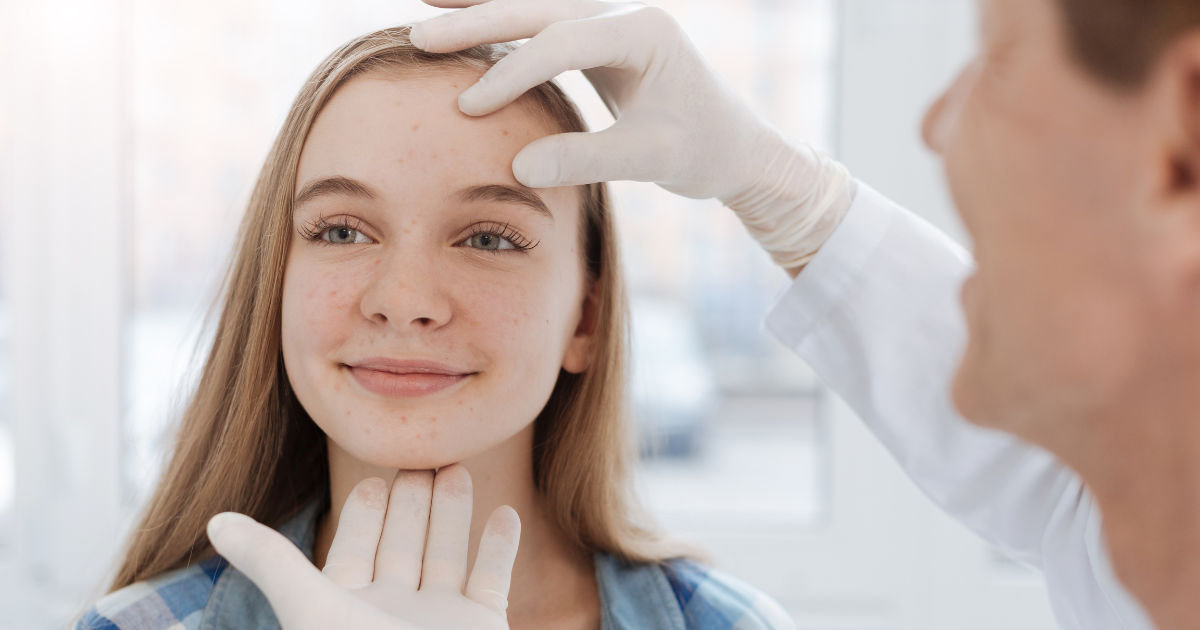
The first step in dealing with hair thinning is understanding its causes. Hair loss can occur due to genetics, hormonal changes, nutritional deficiencies, stress, or medical conditions.
Some people experience gradual thinning, while others notice sudden hair loss. Regardless of the cause, seeking help from a professional is crucial.
A dermatologist for hair thinning can evaluate your hair health and provide effective solutions. If you are in Karachi, finding the Best Dermatologist in Karachi can make a significant difference in managing your hair health. Dermatologists have specialized training to diagnose and treat hair and scalp disorders.
How a Dermatologist Evaluates Hair Thinning
When you visit a dermatologist for hair thinning, they perform a detailed evaluation to understand your condition. The process usually starts with a comprehensive medical history. The dermatologist will ask questions about your diet, lifestyle, family history, and any recent illnesses or stress factors.
Next, a physical examination of your scalp and hair is conducted. Dermatologists look for patterns of hair loss, scalp health, and the presence of any skin conditions. They may also check for signs of hormonal imbalances, autoimmune disorders, or scalp infections.
In some cases, dermatologists may recommend laboratory tests. These tests can include blood work to check for deficiencies in iron, vitamin D, thyroid function, and other essential nutrients. They may also perform a scalp biopsy if they suspect an underlying disease.
By conducting this thorough evaluation, a dermatologist can identify the root cause of hair thinning and develop a personalized treatment plan. If you want professional guidance, consulting the Best Dermatologist in Karachi ensures expert diagnosis and treatment.
Common Causes of Hair Thinning
Genetic Factors
Genetic predisposition is one of the most common reasons for hair thinning. Androgenetic alopecia, also known as male or female pattern baldness, is hereditary and can affect both genders. Dermatologists can recommend treatments to slow down hair loss and stimulate regrowth in affected areas.
Hormonal Changes
Hormonal imbalances can significantly impact hair health. Conditions like thyroid disorders, polycystic ovary syndrome (PCOS), or menopause can lead to thinning hair. Dermatologists can evaluate hormonal levels and suggest appropriate treatments, including medications or lifestyle adjustments.
Nutritional Deficiencies
Lack of essential nutrients like iron, zinc, vitamin D, and protein can cause hair thinning. Dermatologists often recommend blood tests to identify deficiencies and provide nutritional guidance or supplements to support hair growth.
Stress and Lifestyle Factors
High stress levels, inadequate sleep, and unhealthy lifestyle habits can trigger temporary hair thinning. Stress-related hair loss, known as telogen effluvium, occurs when hair prematurely enters the resting phase. Dermatologists can offer strategies to reduce stress and improve hair recovery.
Scalp Conditions
Scalp issues such as dandruff, seborrheic dermatitis, fungal infections, and psoriasis can contribute to hair thinning. A dermatologist can diagnose these conditions and prescribe medicated shampoos, topical treatments, or oral medications to restore scalp health.
Treatment Options Offered by Dermatologists
Topical Treatments
Topical treatments are often the first line of defense against hair thinning. Minoxidil is a widely used topical solution that promotes hair growth and prevents further hair loss. Dermatologists can guide patients on the proper use and dosage for optimal results.
Oral Medications
For certain types of hair loss, oral medications may be recommended. Finasteride, for example, is effective for male pattern baldness. Dermatologists carefully evaluate medical history and potential side effects before prescribing such medications.
Platelet-Rich Plasma (PRP) Therapy
PRP therapy is a modern treatment where a patient’s own blood is processed to extract platelets, which are then injected into the scalp. These platelets release growth factors that stimulate hair follicles and encourage hair regrowth. Many patients see significant improvement after a few sessions.
Laser Therapy
Low-level laser therapy (LLLT) is a non-invasive treatment that uses red light to stimulate hair follicles. Dermatologists may recommend laser caps or combs as part of a comprehensive hair thinning treatment plan.
Hair Transplantation
For advanced hair loss or areas where hair regrowth is difficult, hair transplantation may be an option. Dermatologists work with skilled surgeons to ensure natural-looking results. The procedure involves relocating healthy hair follicles to thinning areas on the scalp.
Lifestyle and Nutritional Guidance
Dermatologists also emphasize the importance of lifestyle changes in managing hair thinning. This includes a balanced diet, proper hair care, stress management, and avoiding excessive heat or chemical treatments. Nutritional guidance can help strengthen hair from the roots.
Preventive Measures for Hair Thinning
Preventing hair thinning is just as important as treating it. Dermatologists recommend several preventive measures that promote healthy hair growth.
-
Balanced Diet: Consuming a diet rich in proteins, vitamins, and minerals supports hair health. Foods like eggs, nuts, leafy greens, and fish are particularly beneficial.
-
Proper Hair Care: Avoid harsh shampoos, overuse of heat styling tools, and tight hairstyles that pull on the hair.
-
Stress Management: Practices like yoga, meditation, and exercise help reduce stress levels, minimizing stress-induced hair loss.
-
Regular Check-Ups: Regular visits to a dermatologist ensure early detection of hair and scalp issues. Early intervention often leads to better results.
-
Avoid Smoking and Alcohol: These habits can negatively affect hair health and slow down regrowth.
By following these preventive steps along with professional guidance from the Best Dermatologist in Karachi, patients can maintain healthy hair and reduce the risk of severe hair thinning.
Choosing the Right Dermatologist for Hair Thinning
Selecting the right dermatologist is critical for successful hair thinning treatment. Here are some factors to consider:
-
Experience and Specialization: Look for dermatologists with extensive experience in treating hair and scalp disorders. Specialized training ensures better diagnosis and treatment.
-
Advanced Treatment Options: A dermatologist offering modern therapies like PRP, laser therapy, and hair transplantation can provide a comprehensive approach.
-
Patient Reviews and Reputation: Reading testimonials and reviews can help gauge patient satisfaction and results.
-
Consultation and Communication: Choose a dermatologist who listens carefully, explains options clearly, and develops a personalized treatment plan.
In Karachi, consulting the Best Dermatologist in Karachi ensures access to high-quality care, advanced treatments, and positive patient outcomes.
Myths and Misconceptions About Hair Thinning
Many myths surround hair thinning, which can mislead people and delay proper treatment. Dermatologists help clarify these misconceptions:
-
Hair Thinning Only Happens in Older People: While common with age, hair thinning can occur at any age due to genetics, stress, or medical conditions.
-
Washing Hair Too Often Causes Hair Loss: Regular washing keeps the scalp clean and healthy. Hair shedding during washing is normal and not a sign of permanent loss.
-
Hair Products Can Permanently Cure Hair Loss: Shampoos and oils may improve hair quality, but only medical treatments can address underlying causes.
-
Stress Always Causes Hair Loss: Stress contributes to hair thinning but usually only triggers temporary shedding, not permanent loss.
A qualified dermatologist can provide evidence-based information and prevent patients from wasting time on ineffective remedies.
Psychological Impact of Hair Thinning
Hair thinning can affect mental health. Many individuals experience reduced self-esteem, social anxiety, and even depression. Consulting a dermatologist not only addresses physical symptoms but also provides psychological support. Some dermatologists collaborate with mental health professionals to help patients cope with the emotional challenges of hair loss.
Maintaining open communication with your dermatologist ensures a holistic approach to hair health, which can improve both appearance and confidence.
Advanced Hair Thinning Treatments
Dermatology has advanced significantly, offering innovative treatments for hair thinning. These include:
-
Stem Cell Therapy: Experimental treatments using stem cells aim to regenerate hair follicles and stimulate new growth.
-
Microneedling: This procedure creates tiny injuries in the scalp, stimulating collagen production and hair growth.
-
Combination Therapies: Many dermatologists use a combination of topical, oral, and procedural treatments for maximum effectiveness.
Patients in Karachi have access to clinics offering these advanced therapies. Consulting the Best Dermatologist in Karachi ensures safe and effective application of modern techniques.
How to Prepare for Your Dermatologist Appointment
Before visiting a dermatologist, preparing adequately can help you get the most out of your appointment:
-
List Your Symptoms: Note when hair thinning started, the pattern, and any other related issues.
-
Track Lifestyle Factors: Document stress levels, diet, medications, and hair care habits.
-
Prepare Questions: Ask about treatment options, expected results, potential side effects, and costs.
-
Bring Previous Test Results: If you had blood work or scalp evaluations before, bring the records for a comprehensive assessment.
Preparation helps the dermatologist provide a more accurate diagnosis and personalized treatment plan.
Conclusion
Hair thinning can be a distressing condition, but modern dermatology offers multiple effective solutions. Consulting a dermatologist for hair thinning allows accurate diagnosis, personalized treatment plans, and access to advanced therapies. From topical treatments to PRP therapy, hair transplantation, and lifestyle guidance, dermatologists can help restore hair health and confidence.
Preventive measures, proper nutrition, and stress management further support healthy hair growth. Choosing the Best Dermatologist in Karachi ensures expert care, modern treatment options, and the best chance of achieving satisfactory results.
If you are experiencing hair thinning, seeking professional guidance promptly can prevent further loss and improve hair health. Remember, hair thinning is manageable, and with the right care, regrowth and improved hair density are possible.