
In today’s fast-paced industrial world, reliable power supply is the backbone of every operation. From factories to construction sites, industries rely on high-quality cables to ensure smooth and uninterrupted electrical flow.
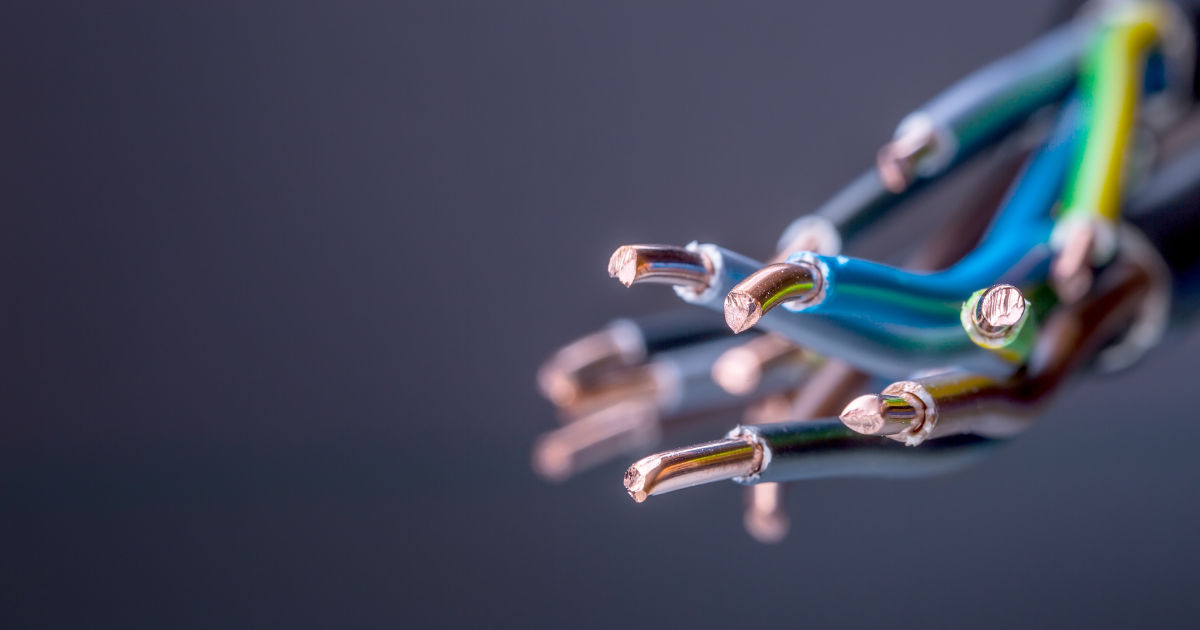 If you are looking for trustworthy providers, a Pakistan Cables Supplier can be your go-to source for durable, efficient, and safe power cables designed for industrial applications.
Industrial power cables are specialized conductors that transmit electricity from power sources to heavy machinery, equipment, and critical infrastructure.
Unlike domestic or commercial cables, industrial cables are built to withstand extreme conditions, high voltages, and continuous operation. Understanding their applications and benefits can help businesses make informed decisions about electrical installations.
Understanding Industrial Power Cables
Industrial power cables are designed to carry large amounts of electrical current safely over long distances. These cables are critical in sectors where consistent power delivery is essential for operations. They differ from regular cables due to their construction, insulation, and ability to resist environmental factors such as heat, moisture, and chemicals.
The core of an industrial power cable consists of copper or aluminum conductors. Copper is often preferred due to its high conductivity, whereas aluminum offers a cost-effective alternative. Surrounding the conductors is a layer of insulation that prevents leakage, short circuits, and electrical hazards.
These cables are categorized based on voltage rating, insulation material, and flexibility. High-voltage industrial cables are used for power distribution over long distances, while low-voltage cables are suitable for connecting machinery within a plant or factory.
Key Uses of Industrial Power Cables
Industrial power cables serve a wide range of purposes across different sectors. Let’s explore the most common applications:
1. Power Distribution in Factories
Factories rely on consistent electricity to operate machinery, conveyor belts, and production lines. Industrial power cables transmit electricity from transformers and generators to equipment safely and efficiently. A reliable Pakistan Cables Supplier ensures that factories receive high-quality cables capable of handling heavy loads without overheating or failure.
2. Construction Sites
Construction projects often require temporary power setups for heavy equipment such as cranes, welding machines, and cement mixers. Industrial cables are used to distribute power from generators or grid connections to these tools, ensuring uninterrupted construction operations.
3. Energy Sector Applications
Power generation plants, both thermal and renewable, rely heavily on industrial power cables to transfer electricity from generators to substations. These cables withstand high voltages, extreme temperatures, and harsh environmental conditions. They also ensure minimal energy loss during transmission.
4. Transportation and Infrastructure
Industrial power cables are widely used in transportation systems such as railways, airports, and ports. They provide energy for signaling systems, lighting, and communication equipment. In urban infrastructure, they are essential for street lighting, subways, and municipal energy distribution.
5. Mining and Heavy Industries
Mining operations involve high-powered machinery and equipment that require a reliable electrical supply. Industrial cables in these settings must endure mechanical stress, exposure to chemicals, and fluctuating temperatures. A high-quality Pakistan Cables Supplier provides cables that meet these demanding requirements.
Types of Industrial Power Cables
Industrial power cables come in various types to meet the specific needs of different applications. Choosing the right type ensures safety, efficiency, and long service life.
1. Low Voltage (LV) Cables
Low voltage cables are used for voltages up to 1,000 volts. They are commonly found in factories, commercial buildings, and industrial plants. LV cables are flexible and easy to install, making them suitable for internal wiring and machinery connections.
2. Medium Voltage (MV) Cables
Medium voltage cables handle voltages between 1 kV and 35 kV. These cables are designed for power distribution within factories, industrial plants, and urban infrastructure. MV cables often have robust insulation and are capable of withstanding high electrical stress.
3. High Voltage (HV) Cables
High voltage industrial cables are used for electricity transmission over long distances. They handle voltages above 35 kV and are critical in power generation, substations, and large industrial facilities. HV cables require careful installation and regular maintenance to prevent failures.
4. Flexible Cables
Flexible cables are designed for movable equipment and machinery. They can withstand repeated bending, twisting, and mechanical stress, making them ideal for robotics, conveyors, and mobile industrial tools.
5. Fire-Resistant Cables
Fire-resistant industrial power cables are designed to maintain electrical integrity during a fire. These cables are essential in industries where safety is critical, such as oil and gas, chemical plants, and high-rise buildings.
Construction of Industrial Power Cables
The performance of industrial power cables depends largely on their construction. Here’s a breakdown of the main components:
-
Conductor: The core element, usually made of copper or aluminum, responsible for transmitting electricity.
-
Insulation: Protects against electrical leakage and environmental factors. Common materials include PVC, XLPE, and rubber.
-
Screening: A metallic layer that shields against electromagnetic interference (EMI) and enhances safety.
-
Sheath: The outermost layer providing mechanical protection against chemicals, moisture, and physical damage.
The quality of these components determines the cable’s durability, flexibility, and performance. Working with a reputable Pakistan Cables Supplier ensures access to cables that meet international safety standards.
Advantages of Using Industrial Power Cables
Investing in high-quality industrial power cables offers several benefits:
1. Safety
Industrial cables are designed to prevent electrical hazards such as short circuits, fires, and electric shocks. Their insulation and sheathing provide reliable protection, ensuring workplace safety.
2. Efficiency
Efficient power transmission reduces energy loss and operational costs. Industrial cables with high conductivity and low resistance enhance energy efficiency across industrial setups.
3. Durability
These cables can withstand harsh conditions such as extreme temperatures, moisture, chemicals, and mechanical stress. This durability translates into long-term cost savings by reducing replacements and maintenance.
4. Flexibility
Flexible industrial cables allow easy installation in complex layouts and moving machinery. They adapt to various industrial environments without compromising performance.
5. Compliance with Standards
High-quality industrial cables comply with international safety and performance standards. This ensures reliability and minimizes the risk of operational downtime.
Selecting the Right Industrial Power Cables
Choosing the right industrial power cable is crucial for safety and efficiency. Here are key factors to consider:
1. Voltage Rating
Select cables based on the voltage requirements of your machinery and infrastructure. Low, medium, and high-voltage cables serve different purposes and must match the operational needs.
2. Environmental Conditions
Consider factors such as temperature, moisture, chemical exposure, and mechanical stress. For harsh environments, opt for fire-resistant or armored cables.
3. Cable Material
Copper cables offer superior conductivity, while aluminum cables are lighter and cost-effective. The choice depends on your budget and performance needs.
4. Supplier Reliability
Working with a trusted Pakistan Cables Supplier ensures access to certified, high-quality cables. Reliable suppliers provide technical support, warranties, and compliance with international standards.
5. Flexibility Requirements
If the cables will be used in movable machinery, flexible cables are essential. Rigid cables are suitable for stationary installations.
Installation and Maintenance
Proper installation and maintenance are critical for maximizing the lifespan of industrial power cables.
1. Professional Installation
Industrial cables should be installed by certified electricians. Proper routing, tension management, and grounding prevent mechanical and electrical failures.
2. Regular Inspections
Routine inspections identify wear, insulation damage, and potential hazards before they escalate. This minimizes downtime and ensures operational safety.
3. Preventive Maintenance
Periodic testing for insulation resistance, continuity, and electrical performance prolongs the cable’s life. Preventive maintenance reduces the risk of sudden failures.
4. Upgrades and Replacements
Over time, industrial cables may require upgrades to meet increased power demands. Choosing scalable and high-quality cables from a Pakistan Cables Supplier makes future expansions easier.
Applications Across Industries
Industrial power cables are vital across various sectors:
Manufacturing
Automobile, electronics, and textile industries rely on industrial cables for production line machinery, robotics, and lighting systems.
Oil and Gas
Exploration, refining, and distribution processes require fire-resistant and durable cables for safe power delivery in hazardous conditions.
Renewable Energy
Solar farms and wind turbines depend on specialized cables for power transmission from generation points to storage and distribution systems.
Transportation
Railways, airports, and ports utilize industrial power cables for signaling, lighting, and communication systems.
Construction
Temporary and permanent power supply for construction machinery, elevators, and cranes relies heavily on industrial cables.
Choosing a Reliable Pakistan Cables Supplier
Selecting a dependable Pakistan Cables Supplier is crucial for industrial operations. A reliable supplier offers:
-
Certified high-quality cables
-
Technical support and consultation
-
Customized solutions for specific industrial needs
-
Competitive pricing and warranties
-
Compliance with international safety standards
Working with such suppliers ensures uninterrupted operations, safety, and long-term cost savings.
Conclusion
Industrial power cables are the lifeline of modern industries. They ensure safe, efficient, and reliable electricity transmission across various applications—from factories and construction sites to renewable energy projects and transportation infrastructure. Selecting the right type of cable, considering environmental factors, and working with a trusted Pakistan Cables Supplier are essential steps to guarantee operational efficiency and safety.
Investing in high-quality industrial power cables reduces downtime, minimizes hazards, and enhances productivity. Whether you operate a small manufacturing unit or a large industrial facility, understanding the uses, types, and maintenance of industrial cables ensures that your electrical systems remain robust, durable, and future-ready.
Industrial power cables are more than just wires—they are a critical component of industrial growth, safety, and technological advancement.