
Saving clean, high‑quality thumbnails has become a common need for students, bloggers, designers, teachers, and anyone working with digital media.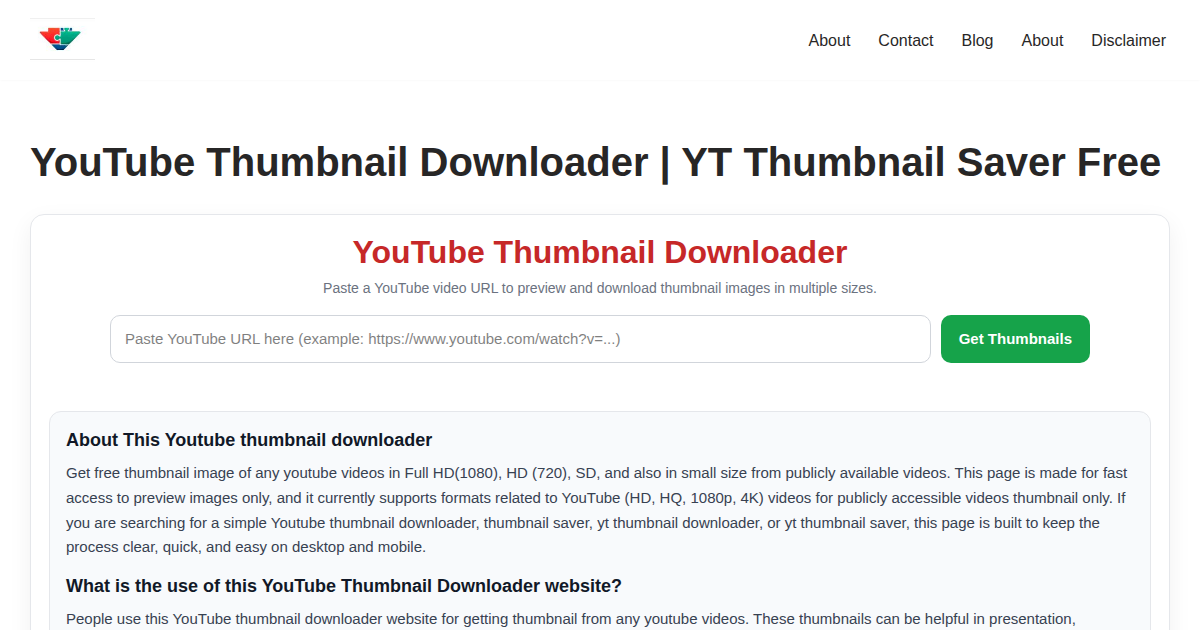
Whether you create video content or simply want to reuse thumbnails for presentations, editing, or inspiration, knowing how Thumbnail Save works without adding a watermark is essential.
Many people search for this because they want a clean version of an image, not one covered with logos or distracting marks.
In this full guide, you’ll learn how Thumbnail Save without watermark can be done safely, quickly, and in multiple ways.
This includes tools, websites, manual methods, apps, browser techniques, ethical considerations, and important tips to keep the quality high when using a Thumbnail Saver.
This article is written in simple, clear, 12th‑grade‑level English so anyone can understand the process.
Thumbnail Saving Without Watermark
When you’re browsing online platforms like YouTube, Vimeo, blogs, or learning sites, you’ll often find thumbnails that are visually appealing. Sometimes you need to download or reuse them, but many platforms block direct download options or embed watermarks. That’s why people search for Thumbnail Save techniques that allow them to get clean, watermark‑free images.
The goal is to access the original version of the thumbnail without quality loss and without anything drawn over it. Since thumbnails are essential for branding and communication, having a clean image can help in school projects, video editing, design work, or marketing.
Understanding What a Thumbnail Actually Is
A thumbnail is a smaller preview image used to represent videos, documents, or online content. It gives the viewer a quick idea of what the content is about without requiring them to open it.
Platforms generate thumbnails in multiple resolutions like:
-
120×90 (Small)
-
320×180 (Medium)
-
640×360 (Standard HD)
-
1280×720 (Full HD)
Knowing this helps because Thumbnail Save works best when you choose the correct resolution that fits your needs. Full HD thumbnails are most preferred because they stay clear even when resized or edited.
Why People Want Watermark‑Free Thumbnails
Watermarks can ruin the visual appeal of images. If you want to use a thumbnail for design, research, or study, a watermark blocks the view of important details. Here are common reasons people look for watermark‑free images:
Short paragraphs:
A clean thumbnail looks professional. It is easier to edit, crop, or format without dealing with logos or text overlays. Students use thumbnails for assignments, educators use them in slides, and designers need them for creative layouts. That’s why Thumbnail Save methods are popular—people want high‑quality visuals without distractions.
In many cases, the watermark does not belong to the original creator. It is often added by third‑party websites, low‑quality tools, or unauthorized downloaders. Using the right method helps you get the original, unaltered version safely.
Method 1: Using Direct URL Techniques
Most major platforms store thumbnails publicly. This means that with the correct URL pattern, you can access the original image without any watermark.
For example, on YouTube, the thumbnail is stored in a predictable format. You simply replace part of the video URL with a thumbnail server link. Then you can open and save the image normally.
This method ensures a real Thumbnail Save result without any edits or added watermarks. It also gives the best available resolution, including HD and max resolution options.
Method 2: Using Browser Developer Tools
Here's another method often used by designers and advanced users.
Every webpage loads images through HTML code. Using your browser’s “Inspect Element” feature lets you see the direct source of a thumbnail. Because you're accessing the image directly from the platform’s server, you get the original image without any watermark.
This method is safe and works on almost all content websites. It’s especially useful when you want to use Thumbnail Save features without relying on external apps or websites.
Method 3: Using Online Thumbnail Download Websites
There are multiple websites that help you download thumbnails in full resolution. These sites usually require only the video or media link. Within seconds, they fetch the original thumbnail for you.
Good thumbnail downloaders do not add watermarks. They maintain the original resolution. They are simple to use, especially for non‑technical users who want fast Thumbnail Save options.
Always choose sites with secure connections (https), ad‑free interfaces, and no forced downloads.
Method 4: Using Mobile Apps to Save Thumbnails
Some mobile apps offer clean thumbnail saving features. These apps allow you to extract thumbnails from video links, channels, or custom uploads.
When choosing an app, make sure:
Short paragraphs:
It does not add its own watermark. Some free apps do that automatically to promote themselves. Be sure the app offers full‑resolution output so that your Thumbnail Save results look professional.
Choose apps with good reviews and fast performance so your workflow stays smooth.
Method 5: Taking High‑Quality Screenshots (With Tricks)
Screenshots are a simple but effective method. However, you must use them correctly to ensure the image stays clear and watermark‑free.
Open the video or page in maximum resolution. On some platforms, clicking on the thumbnail enlarges it. Take a screenshot without cropping too tightly.
Then use any photo editor to clean the edges or adjust brightness. This method helps when all other techniques fail. It’s not the best for perfection, but it still gives a decent Thumbnail Save result.
Ethical and Legal Considerations
Just because thumbnails can be saved without watermarks doesn’t mean they should always be reused freely. Many thumbnails are copyrighted.
Short paragraph:
If you are downloading thumbnails for private use—study, learning, editing practice—there is usually no issue. But if you plan to publish or reupload them, you must follow fair use rules and give credit when required.
Using Thumbnail Save responsibly protects both creators and users.
Improving Thumbnail Quality After Saving
Once you save a thumbnail, you might want to enhance it. Many thumbnails look compressed or slightly blurred. You can fix this easily with sharpening tools, color correction, or resizing options.
Online editors can upscale images to improve clarity. This helps especially when the Thumbnail Save output was originally low‑resolution.
Common Mistakes People Make When Saving Thumbnails
Many people download low‑quality versions without realizing that higher resolutions exist. Some rely on apps or websites that add watermarks or reduce quality. Others crop too tightly and lose important elements of the image.
Short paragraph:
Choosing the right method avoids these mistakes and ensures your Thumbnail Save results look clean and professional.
Choosing the Best Method for Your Needs
If you need quick, simple results, online tools are best. If you want the highest quality, direct URL methods work excellent. For mobile users, apps are more convenient.
Your choice depends on the platform, purpose, and type of content you need. Always test a few methods to see which gives the best Thumbnail Save quality for your work.
Advanced Techniques for Thumbnail Saving
Some creators use browser extensions that automatically detect thumbnails on any page. Others use scripts or automation tools to batch‑save multiple images at once.
Short paragraph:
These advanced tools save time for people who regularly use Thumbnail Save techniques in their workflow, such as digital marketers or video creators.
Tips to Maintain Original Thumbnail Quality
Avoid enlarging low‑resolution thumbnails. Use image upscalers when needed. Save images in PNG format whenever possible, as it offers better clarity than JPEG.
Always check the source to ensure you are downloading the highest possible resolution. This helps keep your Thumbnail Save output crisp and detailed.
Troubleshooting Thumbnail Saving Problems
Sometimes the thumbnail may appear blank, restricted, or unavailable. In such cases, try refreshing the URL, switching to another method, or using a private window.
Short paragraph:
Most problems happen because of caching or platform restrictions. A proper Thumbnail Save method will still work once you bypass these small issues.
Conclusion
Learning how Thumbnail Save without watermark works is incredibly useful today. Whether you’re a student, content creator, marketer, or casual user, having clean, high‑quality thumbnails can improve your work and make your projects look more professional.
You now understand multiple ways to save watermark‑free thumbnails, including URL methods, developer tools, online services, apps, screenshots, and advanced automation techniques. Each method gives different benefits and allows you to get the best image quality depending on your needs.
Saving thumbnails responsibly and ethically is also important. While it is simple to get a watermark‑free image, it’s equally important to respect copyright and use thumbnails legally.
With the right methods, tools, and awareness, Thumbnail Save becomes an easy, reliable, and high‑quality part of your workflow. Use the techniques explained in this guide, and you’ll never struggle with watermarked thumbnails again.