
In today’s interconnected world, raising children who are comfortable with multiple languages is more important than ever. One effective tool for supporting this goal is using digital bilingual and multilingual kids books. With technology, it’s now easier than ever to access multilingual content for young learners. Parents and educators can find resources that cater to children’s reading levels, interests, and language abilities.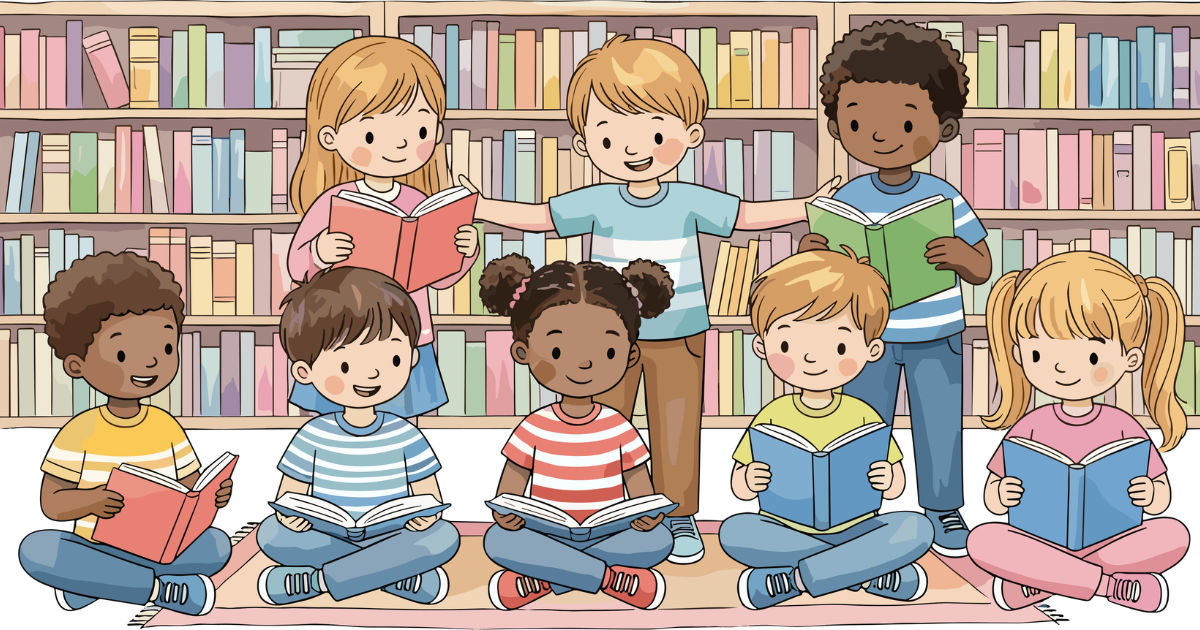
Among these resources, Multilingual Children's Books Online have become increasingly popular for fostering language skills, cultural awareness, and early literacy.
Digital books provide interactive features like audio pronunciations, animations, and word highlighting, which make learning new languages more engaging for children.
Unlike traditional print books, digital bilingual and multilingual books often include instant translations, immersive audio storytelling, and interactive vocabulary exercises. This combination allows children to learn at their own pace and encourages them to explore multiple languages confidently.
In this comprehensive guide, we will explore tips and strategies for using digital bilingual and multilingual kids books effectively. We’ll cover everything from selecting the right books to incorporating reading routines, supporting comprehension, and encouraging a lifelong love of languages.
By the end of this guide, you will have a practical framework to help your child thrive in a multilingual environment.
Why Digital Bilingual and Multilingual Books Matter
Children who are exposed to multiple languages early in life gain cognitive, social, and academic benefits. Studies show that bilingual and multilingual children often outperform monolingual peers in problem-solving, memory retention, and multitasking. Digital books amplify these benefits by combining technology with structured learning.
Multilingual Children's Books Online offer access to stories from different cultures, helping children develop empathy, cultural awareness, and global perspectives. Reading in multiple languages also strengthens linguistic skills, such as grammar, vocabulary, and sentence structure. Digital platforms often provide translation features, allowing children to connect words in their native language with the target language instantly.
Another advantage of digital bilingual books is accessibility. Families who do not have access to physical libraries with foreign language books can easily download and read digital stories. Schools and homeschooling parents can also use these resources to create flexible, language-rich learning environments that adapt to individual students’ needs.
How to Choose the Right Digital Bilingual and Multilingual Books
Selecting the right books is critical for engaging children and ensuring effective learning. Here are key considerations:
Age Appropriateness
Make sure the content matches your child’s age and reading level. Younger children benefit from short stories with colorful illustrations, simple sentence structures, and repetitive phrases. Older children can handle longer stories, complex plots, and advanced vocabulary.
Language Pairings
Consider which languages to combine. Common pairings include English and Spanish, English and French, or English and Mandarin. However, digital platforms now offer diverse options, allowing exposure to less commonly taught languages, which can spark curiosity and global awareness.
Interactive Features
Look for books that include audio narration, word highlighting, and interactive vocabulary exercises. These features support pronunciation, listening skills, and active engagement with the text. Audio features can be particularly beneficial for languages with different phonetic systems, like Mandarin or Arabic.
Cultural Relevance
Choose stories that reflect the culture, traditions, and values of the language being learned. Children connect more deeply to narratives that resonate with real-life experiences and traditions. Cultural relevance also helps children understand the context of language usage, making learning more meaningful.
Reviews and Recommendations
Check reviews from other parents, educators, or language learning experts. Platforms offering Multilingual Children's Books Online often include ratings and feedback, which can help guide your selection.
Tips for Using Digital Bilingual and Multilingual Books Effectively
Reading digital bilingual and multilingual books is more than just opening a book on a tablet. Effective strategies can maximize learning outcomes.
Set Consistent Reading Routines
Establish daily or weekly reading sessions. Consistency helps children build habits and gradually improve language skills. Short sessions of 15–20 minutes are effective for younger children, while older children can engage in longer reading sessions.
Combine Reading with Speaking
Encourage your child to read aloud or repeat words and phrases from the book. This practice reinforces pronunciation, vocabulary retention, and confidence in using the language. Interactive features on digital platforms can support this by providing correct pronunciation for reference.
Integrate Visuals and Audio
Digital books often include animations, illustrations, and audio clips. Guide children to connect spoken words with images, enhancing comprehension and memory. For example, if a story shows a cat and the word “gato,” children can associate the image with the Spanish term for cat.
Encourage Predictive Reading
Ask children to guess what happens next in the story. This strategy improves comprehension and encourages them to think in the target language. Predictive reading also makes stories more interactive and engaging.
Repetition and Review
Children learn languages through repetition. Digital books allow for repeated listening, reading, and interaction. Encourage your child to revisit favorite stories to reinforce vocabulary and sentence structures.
Encourage Note-Taking or Journaling
Older children can write down new words, phrases, or sentences they learn from each story. Journaling in the target language supports retention, reinforces grammar, and builds writing skills.
Combining Digital Books with Other Language Learning Methods
Digital books work best when combined with other strategies.
Flashcards and Vocabulary Games
Use flashcards or digital apps to reinforce vocabulary from stories. Some platforms integrate games directly into the reading experience, allowing children to practice words in context.
Language-Specific Songs and Rhymes
Songs, rhymes, and chants are effective for pronunciation and memory. Combine these with stories from Multilingual Children's Books Online to create a multi-sensory learning experience.
Conversation Practice
Encourage children to use new words and phrases in daily conversation. This application of knowledge reinforces learning and builds confidence. Family members can ask questions or role-play scenes from the story to create an immersive environment.
Cultural Exploration
Connect stories to real-world experiences. If a story mentions traditional festivals, food, or locations, explore videos, images, or online resources to enrich understanding. This approach makes language learning more dynamic and memorable.
Digital Platforms Offering Multilingual Children's Books Online
Several online platforms provide extensive libraries of digital bilingual and multilingual kids books. These platforms often include features that support interactive learning, audio narration, and translation.
Subscription-Based Platforms
Platforms like Epic!, StoryWeaver, and TumbleBooks provide access to hundreds of multilingual titles. They often include progress tracking, reading level adjustments, and educational resources for parents and teachers.
Free Resources
Some websites, like International Children’s Digital Library and Project Gutenberg, offer free access to digital books in multiple languages. While free platforms may have fewer interactive features, they are excellent for expanding exposure to different languages.
Language Learning Apps
Apps like Lingokids and Duolingo ABC combine reading with games and lessons, supporting structured language learning alongside digital storybooks. These apps can complement traditional reading routines by providing exercises, quizzes, and rewards to encourage continued engagement.
Strategies for Encouraging a Love of Reading in Multiple Languages
Sparking interest and motivation is crucial for long-term success.
Choose Stories That Reflect Interests
Select stories that match your child’s hobbies, favorite animals, or topics. A child fascinated by space may enjoy multilingual stories about astronauts, while another interested in animals may prefer bilingual farm or wildlife tales.
Make Reading Social
Create opportunities for shared reading. Siblings, friends, or even online reading groups can read together. Discussing the story encourages comprehension and fosters a sense of community around language learning.
Celebrate Milestones
Acknowledge progress, no matter how small. Completing a story in a new language, recognizing new vocabulary, or reciting a favorite phrase aloud are all achievements worth celebrating. Positive reinforcement builds confidence and motivation.
Rotate Between Languages
Introduce multiple languages gradually but consistently. Rotate between languages to maintain interest and prevent frustration. Children benefit from seeing patterns, similarities, and differences between languages.
Connect Digital and Print Experiences
If possible, pair digital reading with print books. Handling physical books, turning pages, and visually connecting text with images can reinforce memory and comprehension. Some children may prefer alternating between digital and print formats to balance engagement and tactile experience.
Challenges in Using Digital Bilingual and Multilingual Books
While digital resources offer many advantages, there are challenges to be aware of.
Screen Time Management
Excessive screen time can negatively impact sleep, attention, and physical activity. Balance digital reading with offline activities and set clear limits to maintain a healthy routine.
Overreliance on Translations
Children may become dependent on instant translations instead of actively trying to comprehend the language. Encourage independent reading by gradually reducing translation assistance.
Maintaining Motivation
Some children may resist reading in a new language. Overcome this by choosing engaging stories, interactive features, and incorporating rewards or social reading opportunities.
Technical Barriers
Access to devices, stable internet, or subscription fees can be limiting. Identify free or low-cost alternatives and create a structured reading schedule that doesn’t rely solely on technology.
Tips for Parents and Educators
Supporting children in digital bilingual reading requires active participation and guidance.
Read Together
Even if you are not fluent in the language, reading alongside your child shows interest and provides encouragement. You can ask questions, point out illustrations, and celebrate progress.
Model Language Use
Incorporate new words into daily conversation. Children learn effectively through repetition and real-life usage, not just through passive reading.
Encourage Curiosity
If a child asks about a word, phrase, or cultural reference, explore it together. This curiosity-driven approach fosters deeper understanding and engagement.
Use Multi-Sensory Techniques
Combine reading with drawing, acting, or audio recording. Children can draw scenes from the story, act out dialogues, or record themselves reading aloud to reinforce learning.
Keep a Library
Build a collection of favorite digital and print multilingual books. Having easy access encourages exploration and sustained reading habits.
Measuring Progress and Celebrating Success
Tracking language development helps maintain motivation and identify areas for improvement.
Vocabulary Growth
Monitor how many new words your child recognizes, uses, and spells correctly. Digital books often have built-in tracking for highlighted words or completed stories.
Comprehension Skills
Ask questions about the story, such as plot, character motivations, or cause-and-effect relationships. Evaluate how well your child understands the story in both languages.
Confidence in Speaking
Notice how comfortable your child is reading aloud or using new words in conversation. Progress in oral language is as important as reading comprehension.
Engagement and Enjoyment
A child who enjoys reading in multiple languages is more likely to sustain their efforts. Celebrate enthusiasm and curiosity as key indicators of long-term success.
Conclusion
Digital bilingual and multilingual kids books are invaluable tools for raising children who are confident, curious, and competent in multiple languages. By selecting age-appropriate, culturally relevant stories and using interactive features, parents and educators can foster a love for reading while enhancing language skills. Platforms offering Multilingual Children's Books Online make it possible to access diverse stories, promote cultural awareness, and support structured language learning.
Successful implementation requires consistency, active participation, and encouragement. Combining digital reading with speaking practice, games, songs, and cultural exploration ensures that children not only read but understand and use new languages effectively. With careful selection, supportive guidance, and attention to motivation, digital multilingual reading can be a lifelong gift, opening doors to global communication and understanding.
Ultimately, fostering multilingual literacy from a young age equips children with cognitive advantages, confidence, and a broader perspective of the world. Digital bilingual and multilingual books are not just a learning tool—they are a gateway to curiosity, empathy, and cultural richness.
By integrating these strategies, families can make digital reading a fun, interactive, and highly effective part of their children’s education. Exploring, repeating, and sharing stories in multiple languages builds both skills and joy. In an increasingly globalized world, the ability to navigate languages with ease is one of the most valuable gifts a child can receive.