
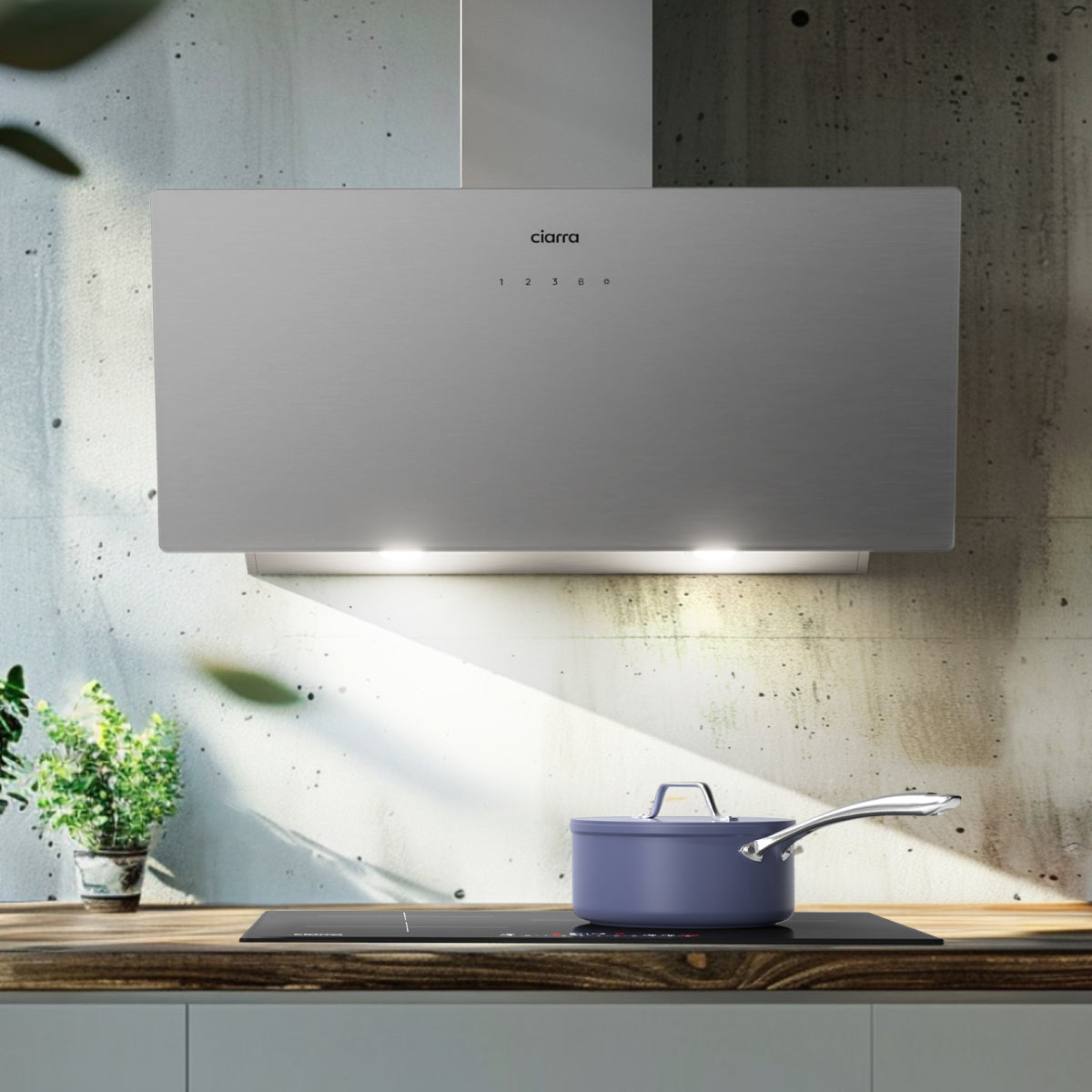
While well-stacked-in ventilating system dominates kitchen design conversations, a quiet gyration is occurring on countertops and in moderate spaces world-wide. The outboard straddle hood, once a recess appliance, has evolved into a intellectual widge addressing the core challenges of 2024 support: rental restrictions, open-concept layouts, and the world rise of home cookery. Recent commercialise psychoanalysis indicates a 22 year-over-year growth in the North American outboard kitchen gizmo sphere, with air refining leadership the buck. This tide isn’t about a lack of permanent wave options; it’s a debate pick for tractableness, health, and unplanned cookery exemption.
The Science of Sizzle: Beyond Simple Smoke Removal
Modern portable hoods are feats of small-engineering. Unlike their big unmoving cousins, they must attain maximum efficiency in a negligible footmark. The current models employ multi-stage filtration systems, often combine treated charcoal for odors with high-density aluminum mesh for lubricating oil, and some even integrate HEPA-grade filters for particulate matter matter under 2.5 microns. This addresses a key 2024 concern: indoor air timbre(IAQ). The EPA notes that cookery can elevate interior pollutant levels to 2-5 multiplication higher than outdoor concentrations. A outboard hood acts as a targeted first answerer, capturing pollutants at the germ before they transmigrate into support areas, a critical operate in studio apartment apartments and open-plan homes.
- Intelligent Sensing: High-end models now feature VOC(Volatile Organic Compound) sensors that auto-adjust fan hurry supported on the detected intensity of cooking fumes.
- Thermal Management: Advanced units analyse heat plumes, directing suck power to the hottest aim of vapor free for optimum capture.
- Ergonomic Deployment: The focus on is on”set-and-forget” positioning, with magnetised attachments, extendible arms, and non-slip bases that fit various pot sizes and burner configurations.
Case Study 1: The Heritage Home Dilemma
In Charleston, South Carolina, the Carter mob lives in a of import home where instalmen ductwork was forbidden by saving laws. Their passion for searing topically caught fish created a persistent odor problem. Their solution was a sleek, dual-fan outboard hood with a proprietary”odor-lock” carbon trickle. By placing it strategically reverse their stove’s strongest burner, they achieved an 80 simplification in tarriance cookery smells, proved by a simpleton home IAQ supervise, allowing them to bold flavors without compromising their home’s unity.
Case Study 2: The Multi-Cultural Kitchen Hub
The Chen flat in Toronto is a cooking crossroads, where stir-frying, curry simmering, and infrequent Western broil occur nightly. Their one, weak overhead fan was inadequate. They exploited a two-unit outboard hood strategy: a low-profile, rear-venting simulate for use, and a right, telescoping simulate for high-heat wok preparation. This standard go about gave them verify over specific preparation events, reducing -flavor contamination a perceptive but critical make out in different culinary households and holding their distributed living space newly.
Case Study 3: The Pop-Up Food Entrepreneur
Maya, a start-up artificer sauce shaper in Austin, Texas, uses her home kitchen for modest-batch production. Health codes needed ventilation system for her commercial message-grade induction burner. A permanent hood was cost-prohibitive. Her investment in a commercial-grade range hood insert hood with heavy-duty-grade foil filters allowed her to pass inspection. Its portability lets her foresee space when not in product, and the captured grease is with efficiency managed, turning a restrictive vault into a whippy byplay asset.
The New Kitchen Mobility
The story around outboard range hoods is shifting from a temporary fix to a plan of action tool. They typify a move towards suburbanised, user-controlled kitchen systems. For the Bodoni font cook whether constrained by space, rules, or a want for adaptability these devices offer a mighty lesson: operational solutions need not be permanent. They plainly need to be exactly where the litigate is, transforming the very steam and perfume of cookery from a tarriance issue into a short, and dead restrained, moment of existence.