
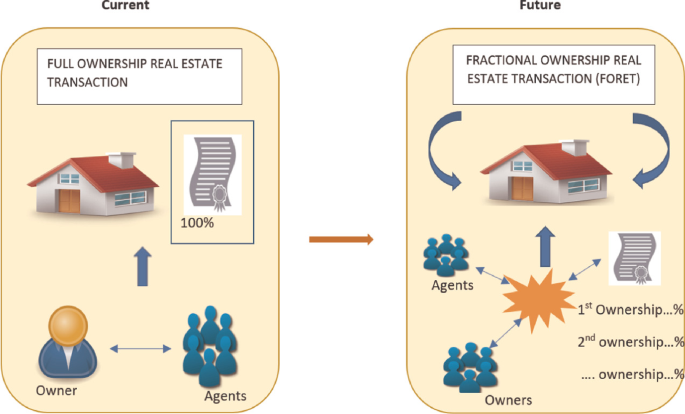
Fractional real estate is a modern investment model that allows multiple investors to collectively own a share of a property rather than purchasing it outright. Instead of committing large amounts of capital to buy an entire residential or commercial property, individuals can invest smaller amounts and still gain exposure to the real estate market. This structure makes property ownership more accessible to beginners and those with limited funds. As the concept grows in popularity, many investors naturally ask, “Is fractional real estate a good investment?” The answer depends on individual financial goals, risk tolerance, and investment horizon. By lowering entry barriers and providing diversification opportunities, fractional ownership has opened doors for people who previously found traditional real estate unaffordable.
Lower Capital Requirement and Diversification Benefits
One of the biggest advantages of fractional real estate is affordability. Traditional property investments often require significant down payments, maintenance costs, and management responsibilities. In contrast, fractional models allow investors to start with relatively small amounts, spreading their capital across multiple properties in different locations. This diversification can reduce risk compared to putting all funds into a single property. Additionally, many platforms manage the property on behalf of investors, handling tenant relations, maintenance, and legal matters. For busy professionals or passive investors, this convenience is highly attractive. When evaluating “Is fractional real estate a good investment,” the low capital requirement and risk-spreading potential stand out as compelling benefits, especially for those seeking steady rental income and long-term appreciation.
Passive Income and Professional Management
Another major benefit of fractional real estate is the opportunity to earn passive income. Investors typically receive a portion of rental income proportional to their ownership share. Since properties are often managed by professional teams, investors do not need to deal directly with tenants or daily operations. This hands-off approach makes it suitable for individuals who want real estate exposure without the stress of active property management. Furthermore, professional oversight can improve property performance through strategic pricing, maintenance, and occupancy planning. However, management fees are usually deducted from returns, which slightly reduces overall profit. Still, for many investors asking “Is fractional real estate a good investment,” the balance between passive income and professional management often makes it an appealing choice.
Liquidity Challenges and Market Risks
Despite its advantages, fractional real estate comes with certain drawbacks. One key concern is liquidity. Unlike stocks or mutual funds that can be sold quickly, selling fractional property shares may take time, depending on platform rules and market demand. Investors might not be able to access their funds immediately in case of urgent financial needs. Additionally, real estate markets can fluctuate due to economic conditions, interest rates, or local property demand. Property values and rental income are not guaranteed, and investors share both profits and losses. While diversification helps reduce risk, it does not eliminate it entirely. Therefore, anyone considering this option must carefully assess whether the potential returns justify the possible challenges and reflect honestly on “Is fractional real estate a good investment” for their personal financial situation.
Weighing the Pros and Cons for Smart Decision-Making
Ultimately, fractional real estate can be a smart investment choice for those seeking lower entry costs, portfolio diversification, and passive income opportunities. It is particularly attractive for beginners who want exposure to property markets without committing to full ownership. However, it is not risk-free. Liquidity limitations, management fees, and market volatility should be carefully considered before investing. The decision largely depends on your investment goals—whether you prioritize steady income, long-term growth, or quick access to capital. For some, the benefits clearly outweigh the drawbacks; for others, traditional investments may be more suitable. If you are still wondering, “Is fractional real estate a good investment,” the best approach is to research platforms thoroughly, analyze projected returns, and align the opportunity with your overall financial strategy.