
Surah Al Kahaf, the 18th chapter of the Holy Quran, is known for its rich collection of moral and spiritual lessons presented through engaging stories.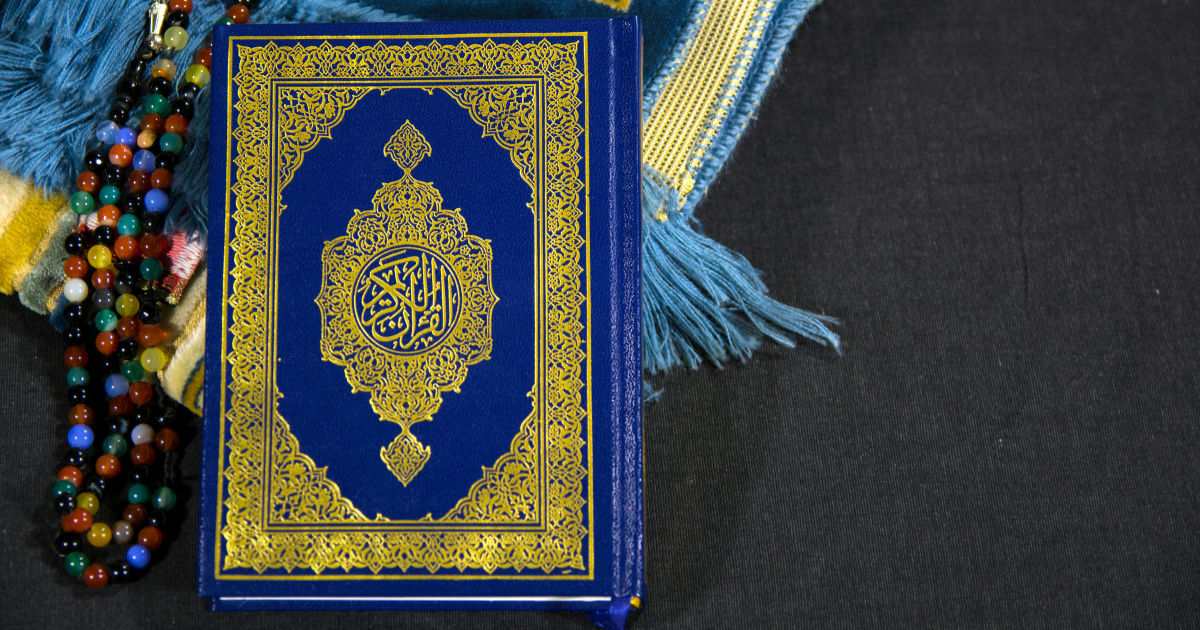
This Surah holds great significance for Muslims, as it provides guidance, wisdom, and examples of faith, patience, and reliance on Allah.
Many Muslims recite Surah Al Kahaf every Friday for protection from the trials of the Dajjal and to gain blessings in this life and the Hereafter.
In this blog post, we will explore the major stories mentioned in Surah Al Kahaf, analyze their meanings, and understand the key lessons each story offers.
The Story of the People of the Cave (Ashab al-Kahf)
One of the most famous stories in Surah Al Kahaf is the story of the People of the Cave. It narrates the tale of a group of young believers who lived in a time of oppression and disbelief.
Background and Context
The People of the Cave were young men who refused to follow the corrupt teachings of their society. They believed in Allah alone and chose to escape persecution by seeking refuge in a cave. Allah protected them by making them sleep for many years — some interpretations suggest 309 years.
Key Lessons
-
Faith in Allah: Their unwavering belief demonstrates the importance of trusting Allah, even in dangerous circumstances.
-
Divine Protection: Allah’s miraculous protection shows that faith leads to guidance and safety.
-
Time and Patience: The story emphasizes that Allah’s plans are perfect, and patience can yield extraordinary results.
Spiritual Reflection
Reciting this story reminds believers to hold steadfast in their faith, regardless of societal pressure or trials. It encourages reliance on Allah in moments of fear or uncertainty.
The Story of the Two Men and the Gardens
Another story in Surah Al Kahaf involves two men and their gardens. This narrative highlights the dangers of arrogance, materialism, and ingratitude.
Overview of the Story
One man was wealthy and proud of his lush gardens, while the other was a humble believer. The rich man boasted about his possessions and denied Allah’s blessings. In contrast, the poor man remained grateful and aware of Allah’s power. Eventually, the arrogant man’s gardens were destroyed as a divine reminder of humility and dependence on Allah.
Key Lessons
-
Humility and Gratitude: Material wealth is a blessing that should be appreciated and shared, not a reason for arrogance.
-
Temporary Nature of Worldly Life: The story reminds believers that worldly possessions are fleeting.
-
Faith Over Wealth: True success is measured by faith and righteousness, not by material possessions.
Spiritual Reflection
This story encourages believers to avoid arrogance and practice gratitude. It teaches that blessings are entrusted to us by Allah and can be taken away if we forget His favor.
The Story of Prophet Musa (Moses) and Al-Khidr
Surah Al Kahaf also narrates the story of Prophet Musa (Moses) and a mysterious servant of Allah, often identified as Al-Khidr. This story is rich in wisdom about patience, knowledge, and divine decree.
Meeting Between Musa and Al-Khidr
Prophet Musa sought knowledge from Al-Khidr, who possessed special divine wisdom. Musa accompanied him on a journey, witnessing seemingly strange and unjust events. Al-Khidr performed actions that appeared harsh, such as damaging a boat, killing a young boy, and repairing a wall without reward.
Lessons in Patience and Knowledge
-
Hidden Wisdom: Events may seem unfair or confusing, but Allah’s wisdom is beyond human understanding.
-
Patience in Learning: Musa’s journey teaches patience and humility in the pursuit of knowledge.
-
Trust in Allah’s Plan: Even seemingly harsh events have a purpose and reflect Allah’s ultimate justice.
Spiritual Reflection
The story reminds believers to seek knowledge, remain patient in trials, and trust Allah’s plan even when it is not immediately clear. It emphasizes that human understanding is limited compared to divine wisdom.
The Story of Dhul-Qarnayn
Another important narrative in Surah Al Kahaf is that of Dhul-Qarnayn, a just ruler who traveled to different parts of the world to establish justice and protect people from oppression.
Background of Dhul-Qarnayn
Dhul-Qarnayn, meaning "the one with two horns," is described as a great and righteous leader. He journeyed to the east and west, helping communities and defending them against the oppressive forces of Gog and Magog (Ya’juj and Ma’juj).
Key Lessons
-
Justice and Leadership: A true leader uses power for the welfare of the people, not for personal gain.
-
Protection Against Evil: Dhul-Qarnayn’s construction of a barrier against Gog and Magog teaches the importance of safeguarding communities from harm.
-
Faith and Responsibility: Righteous leadership is rooted in faith and accountability to Allah.
Spiritual Reflection
Believers can learn from Dhul-Qarnayn the importance of using authority responsibly and working for justice. His story also highlights the role of faith in guiding actions and decisions.
Common Themes in the Stories of Surah Al Kahaf
While each story in Surah Al Kahaf is unique, they share several common themes that are valuable for personal and spiritual development.
1. Faith and Reliance on Allah
Each narrative emphasizes unwavering faith in Allah. Whether it is the People of the Cave, the humble man with the garden, or Dhul-Qarnayn, reliance on Allah is central to overcoming trials.
2. Patience and Endurance
Patience is a recurring lesson in Surah Al Kahaf. Believers are encouraged to remain steadfast through difficulties, recognizing that Allah’s wisdom and timing are perfect.
3. Knowledge and Wisdom
The story of Musa and Al-Khidr shows that divine wisdom may not always be immediately comprehensible. It reminds believers to pursue knowledge humbly and with patience.
4. Justice and Humility
Through the stories of the rich man and Dhul-Qarnayn, Surah Al Kahaf teaches that humility, justice, and gratitude are essential virtues. Arrogance and oppression are warned against.
Importance of Surah Al Kahaf in Daily Life
Reciting Surah Al Kahaf regularly, especially on Fridays, is highly recommended in Islamic tradition. The Surah provides protection against trials, guidance for righteous living, and lessons to strengthen faith.
Protection from Trials
The stories in Surah Al Kahaf remind believers of the transient nature of life and the importance of staying true to faith, particularly during difficult times and moral challenges.
Strengthening Faith
Understanding these stories deepens one’s belief in Allah’s wisdom and justice. They also encourage self-reflection and a commitment to living a life rooted in righteousness and gratitude.
Practical Lessons
-
Avoid arrogance and materialism.
-
Exercise patience during trials.
-
Seek knowledge humbly.
-
Strive for justice in leadership and personal conduct.
-
Maintain reliance on Allah in all matters.
Conclusion
Surah Al Kahaf is a treasure of guidance and inspiration for Muslims. The stories of the People of the Cave, the two men and their gardens, Prophet Musa and Al-Khidr, and Dhul-Qarnayn offer timeless lessons in faith, patience, humility, and justice.
These narratives are not merely historical accounts but moral and spiritual guides for daily life. By reflecting on these stories, believers can cultivate a deeper understanding of Allah’s wisdom, strengthen their faith, and learn to navigate life’s challenges with patience and righteousness.
Reciting and understanding Surah Al Kahaf is a means to seek protection, gain insight, and develop a closer relationship with Allah. Each story encourages reflection and action, reminding believers to lead lives filled with faith, gratitude, and moral integrity.
By internalizing the lessons from these stories, one can live a life that is spiritually fulfilling and aligned with the principles of justice, humility, and devotion to Allah. Surah Al Kahaf continues to be a source of guidance, offering wisdom and protection to all who recite and reflect upon it.