
Drug and alcohol outpatient treatment is a critical resource for individuals struggling with substance use disorders who do not require 24-hour supervision.
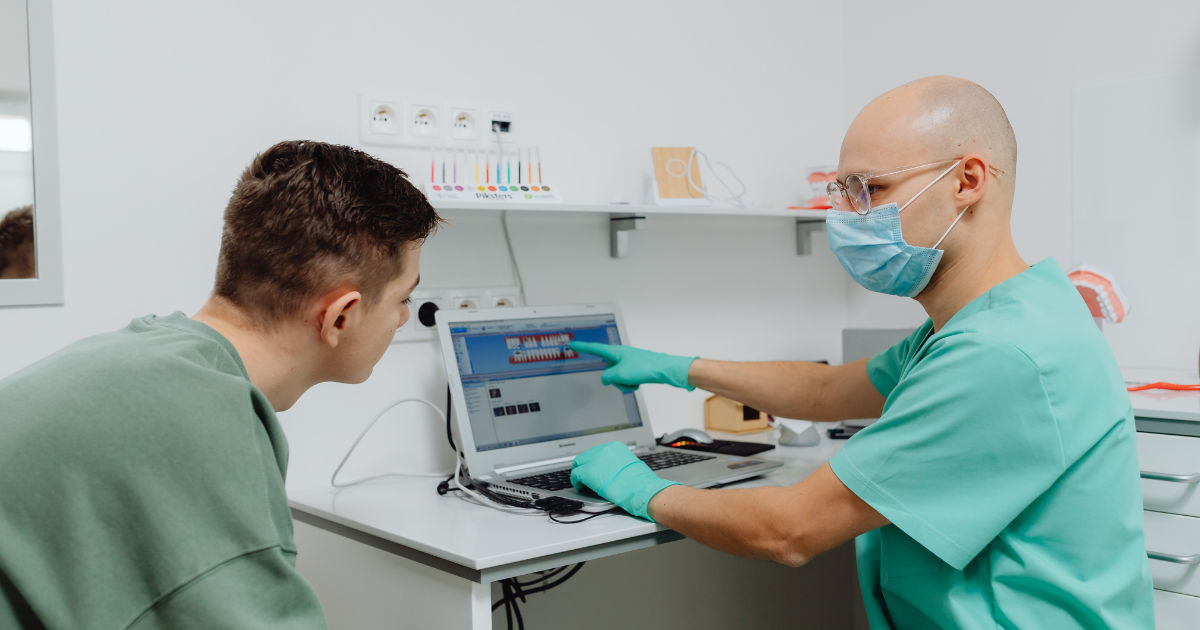
Unlike inpatient programs, outpatient treatment allows patients to continue living at home, maintaining their daily routines, and attending work or school while receiving professional help.
This type of treatment provides a flexible approach to recovery, making it an ideal option for many people seeking long-term sobriety.
Outpatient programs are designed to address the physical, emotional, and psychological aspects of addiction. They combine therapy, medical care, education, and peer support to help individuals develop the tools necessary for a sober life.
Understanding what to expect in outpatient drug treatment can help patients feel more prepared and confident as they begin their recovery journey.
Types of Outpatient Programs
Outpatient drug treatment programs come in different formats to meet the unique needs of each individual. Generally, there are three main types of outpatient care:
Standard Outpatient Programs
Standard outpatient programs usually involve scheduled therapy sessions several times per week. These sessions can include individual counseling, group therapy, or family therapy. Patients attend these programs while maintaining their regular schedules, allowing them to integrate recovery practices into their daily lives.
Intensive Outpatient Programs (IOP)
Intensive outpatient programs are a step up from standard outpatient care. They involve more frequent sessions, often lasting three to five days a week. IOPs are designed for individuals who need structured support but do not require inpatient care. These programs provide more comprehensive therapy, education, and support to address severe or long-standing substance use issues.
Partial Hospitalization Programs (PHP)
Partial hospitalization programs are the most intensive outpatient programs. They offer a day-treatment structure similar to inpatient care but allow patients to return home in the evenings. PHPs are suitable for individuals who need extensive support but can safely manage life outside a residential facility.
Initial Assessment and Intake
The first step in any drug and alcohol outpatient treatment program is a comprehensive assessment. During this phase, a treatment professional evaluates the individual’s physical health, mental health, substance use history, and personal circumstances. This assessment helps determine the most suitable level of care and the specific interventions needed for effective recovery.
Physical and Medical Evaluation
A medical evaluation ensures that the patient is physically stable and identifies any health issues related to substance use. Detox may be necessary for some patients before beginning outpatient treatment. Medical professionals also check for co-occurring conditions, such as diabetes, liver disease, or cardiovascular issues, which can impact treatment planning.
Psychological and Behavioral Assessment
Psychological assessments help identify underlying mental health issues, including anxiety, depression, or trauma. These factors often contribute to substance use disorders and need to be addressed as part of the treatment plan. Behavioral assessments provide insight into habits, triggers, and patterns that may influence recovery.
Personalized Treatment Planning
Based on the assessment, the treatment team creates a personalized plan that outlines therapy types, session frequency, and goals. A clear, structured plan increases the likelihood of successful recovery and helps patients stay motivated throughout their outpatient program.
Therapy and Counseling in Outpatient Treatment
Therapy is the cornerstone of drug and alcohol outpatient treatment. Various therapeutic approaches are used to address the complex nature of addiction.
Individual Therapy
Individual therapy allows patients to work one-on-one with a licensed therapist to explore personal issues related to substance use. This therapy provides a safe space to discuss emotions, triggers, and challenges while developing coping strategies for long-term sobriety.
Group Therapy
Group therapy sessions bring together individuals facing similar struggles. These sessions provide peer support, shared experiences, and accountability. Patients learn from others’ challenges and successes, building a sense of community essential for recovery.
Family Therapy
Family therapy involves loved ones in the recovery process. Addiction often affects entire families, and involving them in therapy can improve communication, reduce conflict, and strengthen support systems. Family sessions educate relatives on addiction and help rebuild trust and healthy relationships.
Cognitive Behavioral Therapy (CBT)
Cognitive Behavioral Therapy (CBT) is widely used in outpatient programs. CBT helps patients identify negative thought patterns that contribute to substance use and develop healthier coping mechanisms. By addressing these thought patterns, individuals gain the skills to prevent relapse and maintain sobriety.
Motivational Interviewing
Motivational interviewing encourages patients to explore their own reasons for change. Therapists use this approach to strengthen motivation, resolve ambivalence, and empower patients to commit to recovery goals.
Education and Life Skills Development
Drug and alcohol outpatient treatment is not just about stopping substance use; it is also about rebuilding a healthy, productive life. Many programs offer educational components to equip patients with life skills that support long-term recovery.
Substance Use Education
Understanding the science and effects of addiction is essential for recovery. Patients learn about how drugs and alcohol impact the brain, body, and behavior. This knowledge helps them recognize triggers and make informed choices in their daily lives.
Relapse Prevention Strategies
Outpatient programs emphasize relapse prevention by teaching patients how to identify high-risk situations and respond effectively. Strategies may include stress management techniques, developing healthy routines, and avoiding triggers that can lead to substance use.
Coping Skills and Stress Management
Stress is a major factor in relapse, so learning effective coping mechanisms is critical. Outpatient programs teach relaxation techniques, mindfulness practices, problem-solving skills, and emotional regulation to help patients navigate life without relying on substances.
Vocational and Educational Support
Some outpatient programs offer vocational counseling, job training, or educational support to help patients rebuild their careers or pursue new opportunities. Gaining practical skills and achieving personal goals enhances confidence and reduces the risk of relapse.
Medication-Assisted Treatment (MAT)
For certain substance use disorders, outpatient treatment may include medication-assisted treatment (MAT). MAT combines FDA-approved medications with therapy to address cravings and withdrawal symptoms.
Common Medications
-
Methadone and Buprenorphine: Used for opioid addiction, these medications reduce cravings and withdrawal symptoms.
-
Naltrexone: Helps prevent relapse in both opioid and alcohol use disorders.
-
Acamprosate and Disulfiram: Used for alcohol dependence to reduce cravings or create unpleasant reactions to alcohol.
Benefits of MAT
Medication-assisted treatment has been shown to improve recovery outcomes, reduce relapse rates, and support long-term sobriety. MAT is most effective when combined with counseling, therapy, and behavioral interventions.
Structure of Outpatient Treatment Programs
Outpatient drug treatment programs are highly structured to provide consistent support while allowing flexibility for patients’ daily lives.
Scheduling and Attendance
Patients typically attend therapy sessions multiple times per week. The frequency depends on the program’s intensity and individual needs. Consistent attendance is crucial for progress and accountability.
Individualized Treatment Plans
Every patient has a unique plan tailored to their goals, substance use history, and personal circumstances. Regular progress reviews help adjust the plan as needed to ensure continued success.
Monitoring and Accountability
Outpatient programs often include monitoring strategies such as regular drug testing, session check-ins, and progress evaluations. These measures encourage accountability and help detect potential setbacks early.
Support Outside Sessions
Patients are encouraged to engage in recovery activities outside of therapy sessions. These may include attending support groups like Narcotics Anonymous or Alcoholics Anonymous, participating in recreational activities, or building sober social networks.
Benefits of Outpatient Drug Treatment
Outpatient treatment offers several advantages over inpatient care, making it a preferred choice for many individuals.
Flexibility
Outpatient programs allow patients to maintain work, school, and family responsibilities while receiving treatment. This flexibility helps integrate recovery into daily life without major disruptions.
Lower Cost
Outpatient treatment is generally more affordable than residential programs. Patients avoid expenses associated with full-time housing while still receiving professional care.
Supportive Environment
Being able to remain at home allows patients to practice newly learned skills in real-life settings. They can apply coping mechanisms immediately to the situations and triggers they encounter daily.
Community Integration
Outpatient programs emphasize social and community engagement. Patients learn to navigate life without substances while maintaining healthy relationships and routines.
Challenges of Outpatient Treatment
While outpatient drug treatment is highly effective, it also presents some challenges.
Exposure to Triggers
Remaining in one’s home environment may expose patients to stressors or people associated with substance use. Programs address this by teaching strategies to avoid or cope with triggers.
Need for High Motivation
Outpatient treatment requires a strong commitment to recovery. Patients must actively participate in therapy and implement coping strategies outside of sessions.
Limited Supervision
Unlike inpatient care, outpatient programs cannot provide round-the-clock supervision. Patients must be responsible for their own safety and sobriety between sessions.
Risk of Relapse
Because patients are not in a controlled environment, there is a risk of relapse. Comprehensive therapy, support networks, and relapse prevention strategies are essential to mitigate this risk.
Support Systems and Peer Networks
Building a strong support system is critical in outpatient drug and alcohol outpatient treatment. Programs often encourage patients to involve family, friends, and peer groups in recovery.
Peer Support Groups
Support groups offer a sense of community and understanding. Patients share experiences, celebrate milestones, and provide encouragement to each other, fostering accountability and resilience.
Family Involvement
Family support can significantly improve treatment outcomes. Programs educate families about addiction, provide counseling, and guide them in offering effective support without enabling destructive behavior.
Community Resources
Outpatient programs often connect patients with local resources, including sober living homes, vocational training, and social services, to support their overall recovery journey.
Aftercare and Long-Term Recovery
Recovery does not end when the outpatient program concludes. Aftercare plans are crucial for maintaining long-term sobriety.
Continued Therapy
Patients are encouraged to continue therapy or counseling after completing their outpatient program. Regular check-ins help reinforce coping skills and prevent relapse.
Ongoing Support Groups
Participation in support groups remains essential. Continuing to engage with peers provides accountability, encouragement, and a sense of belonging.
Sober Living Environments
Some patients benefit from transitioning to a sober living environment, providing structure, peer support, and a safe space for practicing new skills.
Lifestyle Changes
Long-term recovery involves adopting healthy lifestyle habits, including exercise, nutrition, mindfulness, and hobbies. Outpatient programs equip patients with the tools to make these changes successfully.
Conclusion
Outpatient drug and alcohol outpatient treatment is a highly effective option for individuals seeking to overcome substance use disorders while maintaining their daily responsibilities. These programs provide therapy, counseling, education, and support designed to address the physical, emotional, and psychological aspects of addiction.
Patients can expect a structured, flexible approach that combines individual and group therapy, family involvement, life skills education, and, when appropriate, medication-assisted treatment. The program’s intensity varies based on individual needs, ranging from standard outpatient sessions to intensive outpatient programs and partial hospitalization programs.
Although outpatient treatment offers many benefits, including flexibility, lower cost, and community integration, it also requires commitment, motivation, and active participation. Patients are exposed to real-life triggers, making relapse prevention strategies and support networks essential for long-term success.
By understanding what to expect in outpatient drug and alcohol outpatient treatment, patients and their families can approach recovery with realistic expectations and confidence. Through therapy, education, peer support, and lifestyle changes, outpatient programs provide the tools necessary for individuals to rebuild their lives, achieve sobriety, and maintain lasting recovery.
Recovery is a journey, not a destination. Outpatient treatment empowers patients to take control of their lives, face challenges head-on, and cultivate a healthy, fulfilling future free from substance use. With dedication, professional guidance, and support from loved ones, long-term sobriety is not just possible—it is achievable.